How Long Is a Short Film? Short Film Length Explained
 RoboNeo TeamAugust 18, 2026
A short film can last anywhere from under a minute to about 40 minutes, although many narrative shorts fall between 5 and 15 minutes. The best runtime depends on the story, audience, platform, and submission rules. If you are wondering how long should a short film be, aim for the shortest length that allows the central conflict and emotional change to feel complete. A focused eight-minute film often works better than a stretched 20-minute version of the same idea.
Typical Runtime by Short Film Type
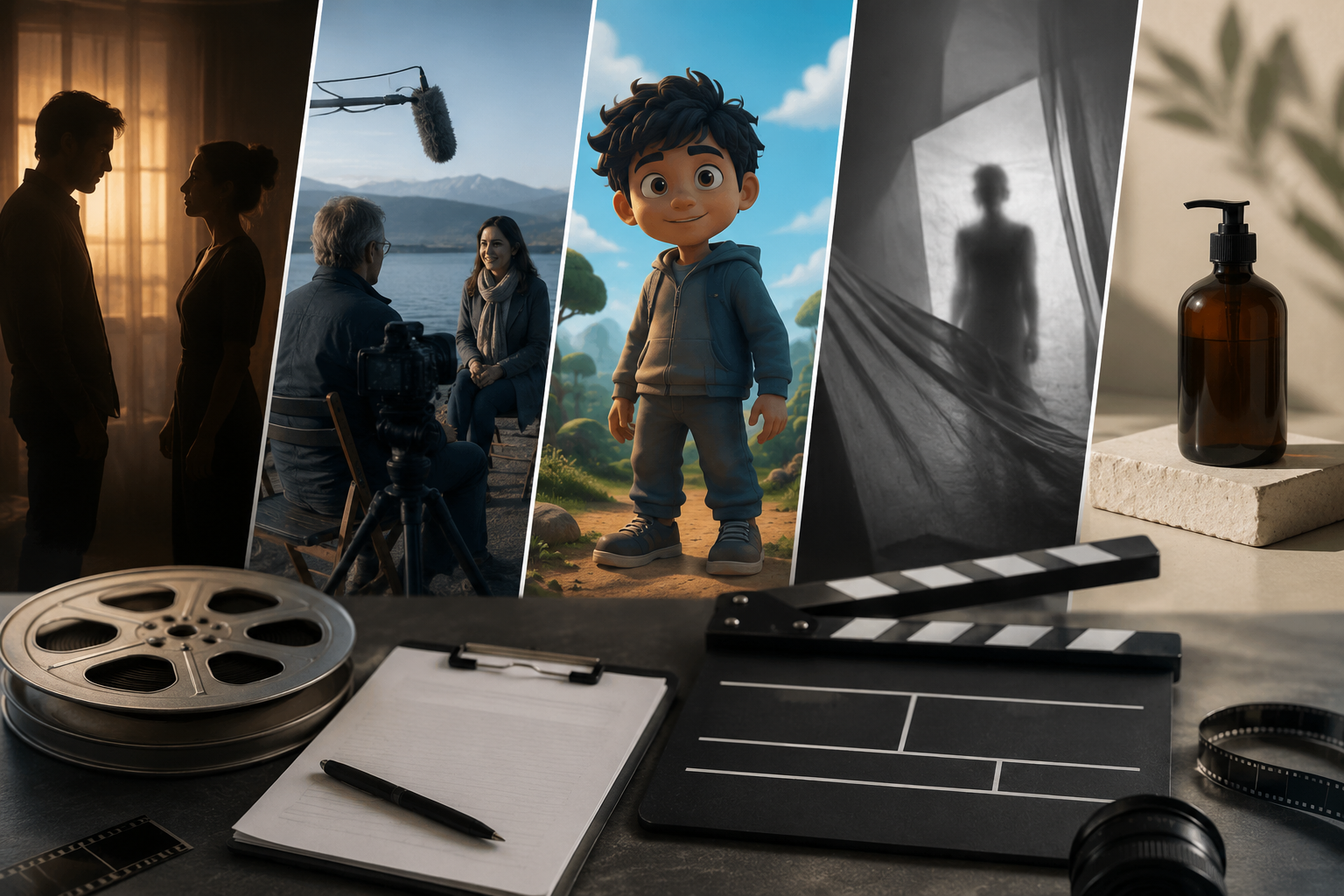
So, how long are short films in different categories? There is no single standard. Most festivals set an upper limit, while online platforms allow far more flexibility. Format and purpose also shape the answer.
| Short Film Type | Typical Runtime | Common Use |
| Narrative short | 5–20 minutes | Festivals, portfolios, online releases |
| Documentary short | 10–30 minutes | Festivals, education, digital platforms |
| Animated short | 2–15 minutes | Festivals, online viewing, studio showcases |
| Micro or experimental short | Under 5 minutes | Social media, art screenings, creative tests |
| Branded short | 1–10 minutes | Campaigns, product stories, company channels |
Narrative Shorts
Narrative shorts commonly run for 5 to 20 minutes. A compact story may follow one character through a single decision, confrontation, or discovery. A student film about a teenager deciding whether to return a stolen wallet could reach a satisfying ending in eight minutes without introducing several subplots.
Longer narrative shorts have room for more developed relationships and gradual emotional shifts. However, every additional scene must earn its place. Twenty minutes can feel brief when the tension keeps changing, while a repetitive seven-minute conversation can feel much longer.
Documentary Shorts
Documentary shorts often last between 10 and 30 minutes. Their runtime depends on the number of subjects, the complexity of the topic, and the amount of context viewers need.
A portrait of one street artist might work in 12 minutes. By contrast, a film examining how a neighborhood recovered after a wildfire may need interviews with residents, emergency workers, and local officials. That wider perspective naturally requires more time, but the film should still follow a clear question rather than become a collection of loosely related interviews.
Animated Shorts
Most animated shorts run for 2 to 15 minutes. Animation demands substantial work for every finished second, so a concise script can make production more manageable without reducing its impact.
A three-minute comedy about a robot repeatedly failing to make coffee may contain a complete setup, escalation, and payoff. More complex animated stories can run longer, especially when they rely on dialogue or detailed world-building. Creators using generated footage should also account for current AI video generation limitations, including scene continuity and character consistency. Production capacity should guide the decision early because cutting finished animation wastes far more work than removing a scene at the script stage.
Micro and Experimental Shorts
Micro shorts usually stay below five minutes, and some last less than 60 seconds. Experimental work varies more widely, but it often uses a restricted duration to explore one image, sensation, process, or structural idea.
Short does not mean incomplete. A 90-second film showing the same empty apartment at different stages of one person’s life can communicate a clear emotional progression. Strong visual organization matters more than conventional plot in this format.
Branded Shorts
Branded shorts typically run from one to ten minutes. Their goal may involve presenting a customer story, introducing a campaign, or connecting a brand with a particular emotion.
Audience attention and distribution channel matter heavily here. A two-minute film may suit a product launch page, while a seven-minute profile of a craftsperson could work on YouTube. The brand should support the story rather than interrupt it with repeated promotional claims.
How to Make a Short Film at the Right Length
Once you know how long a short film can be, the more useful question is how much time your specific idea needs. Runtime should influence the entire process of making a short film, not become a problem solved only during editing.
Step 1: Set the Story and Runtime
Start by defining the film type, target audience, and release channel. A festival submission, classroom documentary, branded video, and online micro short all face different viewing expectations and technical limits.
Next, summarize the story in one sentence. Include the protagonist, goal, obstacle, and final change. A focused premise might read: “A nervous delivery driver must enter the house of an unresponsive customer and leaves with a different view of the stranger he feared.”
Keep the film centered on one main event or meaningful choice. Credits, title cards, and necessary explanatory text must also fit within the planned runtime. If a festival permits a maximum of 15 minutes, a 14-minute story plus two minutes of credits will exceed that limit.
Step 2: Write a Focused Script
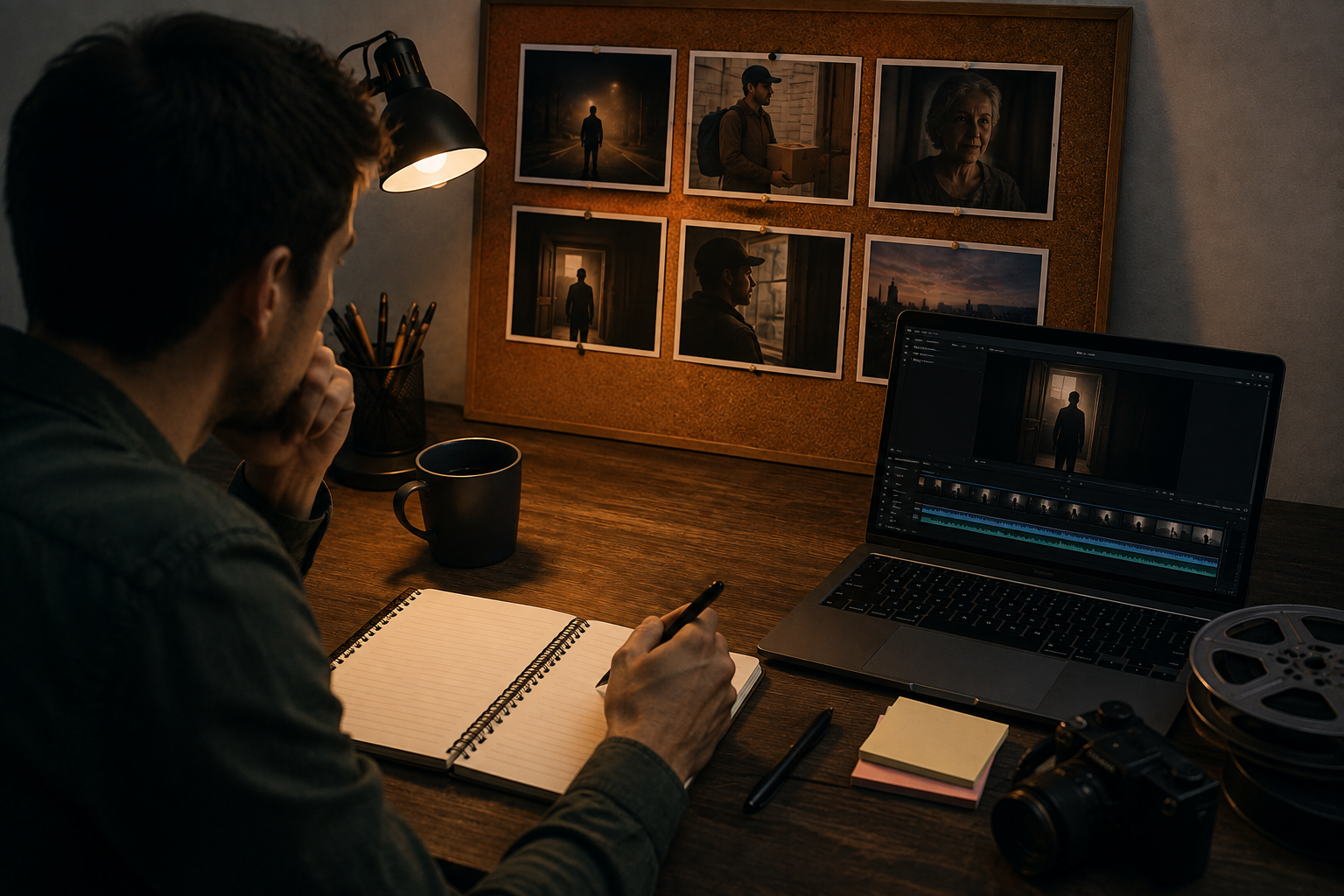
Establish the character and situation quickly, then introduce the central problem as early as the story allows. Conflict, choice, and consequence should carry the film toward its ending. A focused approach to writing a short film script also keeps unnecessary backstory and secondary conflicts from expanding the runtime.
Each scene needs at least one clear function:
Move the plot forward
Change a relationship or the character’s understanding
Provide information needed for the ending
Remove secondary storylines and background details that do not serve those functions. A short about two estranged sisters meeting at a train station probably does not need a separate workplace subplot unless it directly affects their confrontation.
In standard screenplay format, one page generally represents about one minute of screen time. Treat that ratio as an early estimate, not an exact measurement. Silent action, rapid cuts, long pauses, and dense dialogue can all change the final duration. Read the script aloud and rehearse difficult scenes before locking the page count.
Step 3: Plan a Practical Production
A workable runtime also depends on what the team can film well. Review every scene for its cast, location, props, wardrobe, sound, equipment, and effects requirements.
A 12-minute script with six locations, a night car chase, and 20 speaking roles may exceed the resources of a small weekend production. Reducing the story to two locations and three central characters could produce a more polished film without weakening the main conflict.
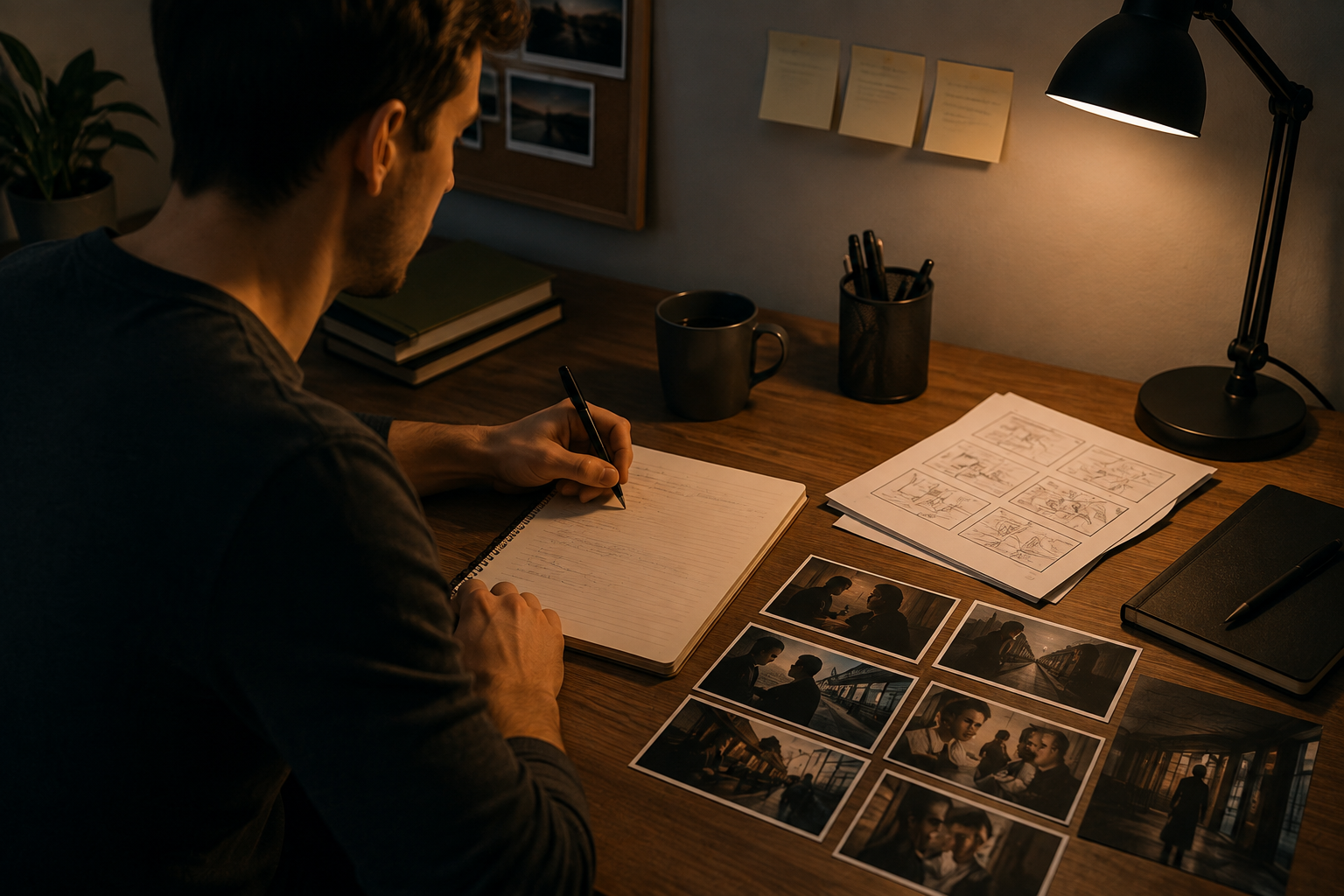
Create a storyboard or shot list for the opening, major turning points, and climax. When hand-drawn frames cannot show the intended lighting or environment clearly, an AI image generator can turn written shot descriptions into visual references. Planning character positions, key actions, and transitions in advance helps the crew avoid missing essential coverage or recording material that the edit will never use.

Step 4: Preview and Film Key Scenes
Before principal photography, test important moments through rehearsals, phone recordings, storyboards, or an animatic. These previews reveal whether an entrance takes longer than expected, whether a silent reaction communicates enough information, and whether the climax has a clear visual rhythm.
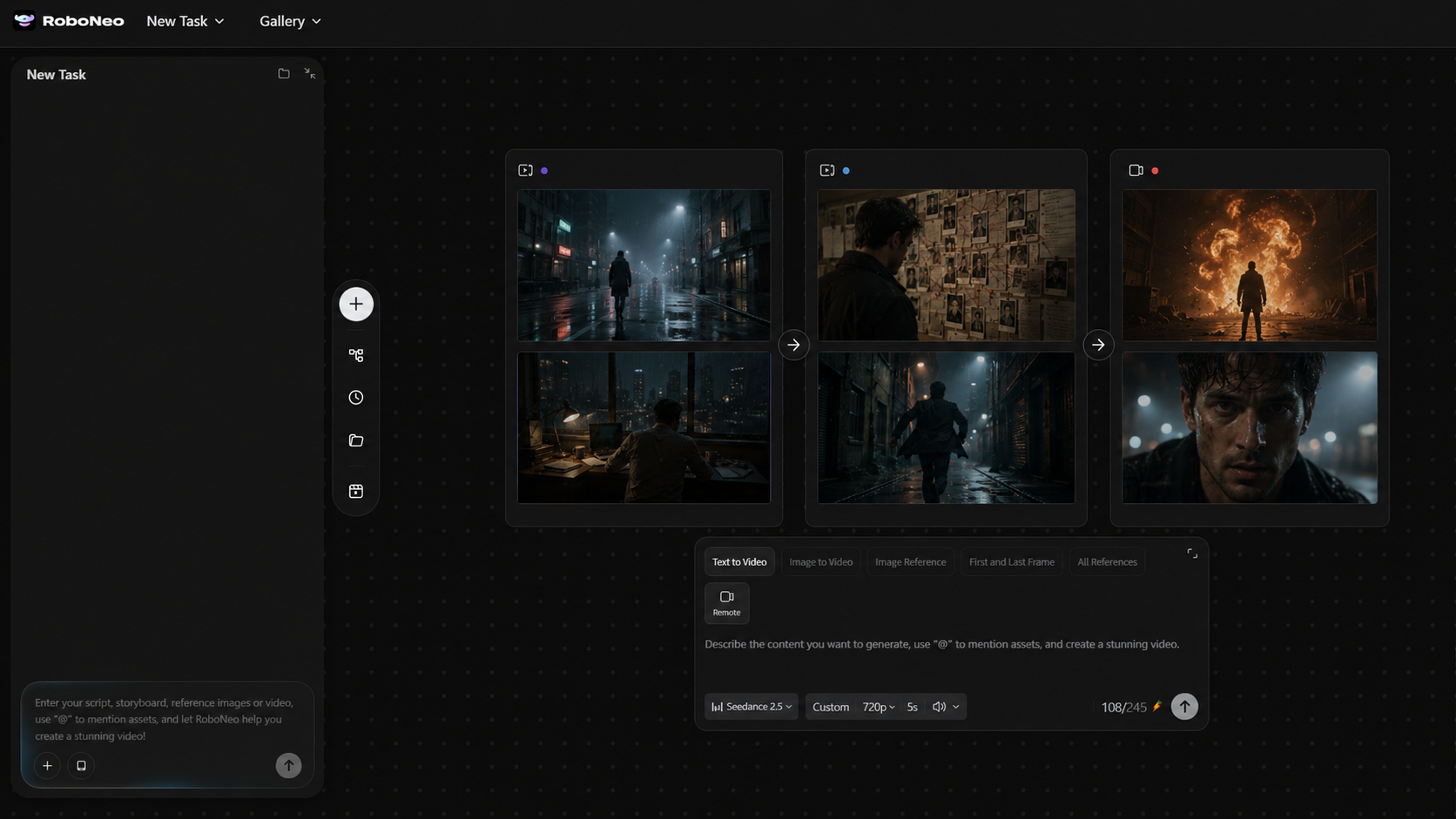
Character references, environment details, and shot descriptions can also be brought into RoboNeo to generate a small set of key images or short video clips. These materials can help the team test the visual pacing of the opening, turning points, and climax. RoboNeo supports pre-production previewing; it does not determine the correct runtime for the film.
During the shoot, complete every shot required to tell the story before recording optional material. Close-ups, reaction shots, and transitions can follow once the essential coverage is secure.
Step 5: Edit to the Final Runtime
Build a rough cut that tells the entire story before trying to reach an exact duration. Watching that version will show where the film slows down, repeats itself, or ends a scene too late.
Look first for duplicated explanations, shots that reveal no new information, and moments that do not affect the outcome. If the audience already understands that a character plans to leave, three later reminders will only delay the decision.
Do not remove every pause. A few seconds of hesitation before an apology may carry more emotional value than an entire exchange of dialogue. Once the story reaches its final shape, lock the picture and complete sound editing, color work, subtitles, and credits. Check the exported file—not only the editing timeline—to confirm the final runtime.
Short Film Length Mistakes to Avoid
A runtime limit gives the project boundaries, but it should never replace storytelling judgment. Three mistakes cause many short films to feel either inflated or rushed.
Treating 40 Minutes as the Target
The fact that some major film organizations and festivals accept shorts of up to 40 minutes does not mean every filmmaker should aim for that length. Forty minutes represents an upper boundary in certain contexts, not an ideal target.
A simple conflict stretched across half an hour will expose repetition quickly. Longer shorts can also be harder to schedule in festival programs because programmers may be able to show several shorter films in the same slot. Always check the exact rules of the intended festival or platform.
Forcing the Story to Fit
Some ideas need three minutes; others need 25. Expanding a small idea creates filler, while squeezing a layered story into five minutes can make character decisions feel unearned.
If major events require constant explanation or happen before viewers can process them, the concept may need more time. It might even work better as a feature or series. Conversely, when multiple scenes deliver the same information, the film probably needs to become shorter.
Cutting Emotion Before Repetition
When an edit runs long, filmmakers sometimes remove quiet reactions because those moments appear less necessary than dialogue. This can preserve information while destroying the emotional experience.
Cut repetition first. Shorten slow entrances, repeated establishing shots, unnecessary greetings, and dialogue that restates visible actions. Keep the silence that shows a decision forming or allows the result of a conflict to register.
FAQ
How much does a 10 minute short film cost?
Costs vary widely. A 10-minute short made with borrowed equipment, volunteer actors, and free locations may cost only a few hundred dollars. A professional production with paid cast and crew, location permits, insurance, equipment rentals, original music, and visual effects can cost tens of thousands. Runtime alone does not determine the budget; production complexity matters more.
Do short films make money?
Most short films do not earn substantial direct revenue. Filmmakers often use them to build a portfolio, enter festivals, test a larger concept, or attract collaborators and investors. Some generate income through licensing, online advertising, commissioned distribution, or branded partnerships, but those outcomes are not guaranteed.
How many script pages does a short film need?
One properly formatted screenplay page usually equals about one minute of screen time. A 10-minute short may therefore begin with a ten-page target. Action-heavy scenes can play faster, while pauses and visual sequences may take longer. A timed reading or rehearsal provides a better estimate than page count alone.
Do credits count toward the runtime?
Usually, yes. Many festivals and competitions measure the complete film from the first frame to the last, including opening and closing credits. Submission rules differ, so check the requirements before finalizing the edit.
How is a short film different from a YouTube short?
A short film is a storytelling format that may run for several minutes and use horizontal or vertical video. A YouTube Short is a platform-specific vertical video format designed for short-form mobile viewing. A filmmaker can release a short film through YouTube, but not every short film qualifies as a YouTube Short.
You May Be Interested
4K vs 1080p: Should You Upscale 1080p Video to 4K?
Best AI Features for Enhancing UGC Video Quality in 2026

5 Best Free AI Story Generators in 2026: Tested & Ranked
5 Best Free Tools to Remove Watermark from Video in 2026 | RoboNeo
Canva Watermark Remover Review: Features and Limits