What AI Model Writes Stories: Which AI Is Best for Writing?
 RoboNeo TeamSeptember 14, 2026
Claude, ChatGPT, and Gemini can all write stories, while Sudowrite, NovelCrafter, and NovelAI offer features designed specifically for fiction. Claude is strong at natural prose and character voice, ChatGPT works well for brainstorming and revision, and Gemini is useful for projects with extensive reference material.
There is no single answer to which AI is best at writing stories. The right choice depends on whether you are drafting a short story, managing a novel, or turning written scenes into visual content. This guide compares common AI model types, seven story creation tools, and the factors that matter when choosing one.
Why Choose AI for Story Creation
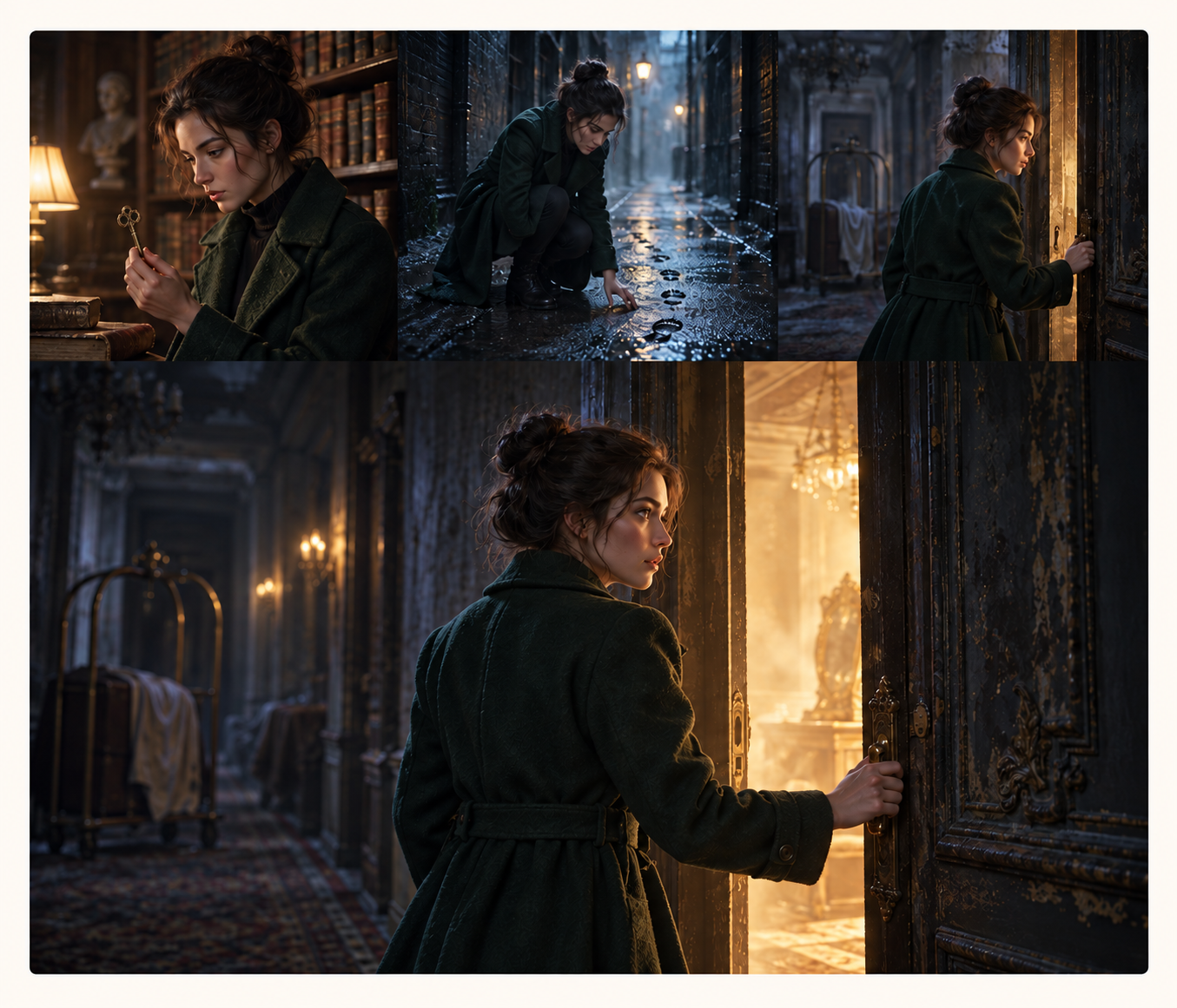
AI can make planning and revision faster, particularly when a writer wants to explore several directions before committing to one.
Faster Planning, Drafting, and Revision
A basic premise can quickly become a cast of characters, a central conflict, several plot directions, and a scene outline. Writers can then compare different approaches rather than developing every idea from scratch.
A mystery writer might test three possible motives for one suspect, rewrite a confrontation from another point of view, and keep only the strongest version. The same approach works for dialogue, pacing, endings, and scene transitions.
AI is particularly useful for:
Brainstorming characters, conflicts, settings, and plot turns.
Creating outlines and early scene drafts.
Reworking dialogue, tone, pacing, or point of view.
Revising one weak section without replacing the rest of the story.
Comparing different approaches before choosing a final direction.
The story's theme, emotional meaning, and final creative decisions still belong to the writer.
Better Results With the Right AI Model
Story writing requires more than fluent sentences. A useful model needs to follow character relationships, motivations, point of view, and established story details.
The needs of a 1,500-word romance are very different from those of a 100,000-word fantasy novel. The first may only require fast drafting and revision, while the second also needs character records, worldbuilding notes, and chapter continuity.
That is why what AI is best for writing stories depends more on the project than on a single model ranking.
Types of AI Models for Story Writing
Different model types support different stages of storytelling.
General Purpose Language Models
Claude, ChatGPT, and Gemini can generate premises, outlines, characters, scenes, dialogue, and revisions. Their conversational format makes it easy to change a character, test a different ending, or rewrite a scene through several rounds of feedback.
They are flexible enough for short fiction and early novel development, but they usually lack dedicated systems for managing chapters, timelines, and worldbuilding.
Specialized Fiction Models
Fiction-focused AI story generators place greater emphasis on narrative continuation, scene development, character voice, and genre writing.
Sudowrite and NovelAI are designed around fiction creation, while NovelCrafter combines AI access with tools for organizing characters, locations, and story information. These platforms are more useful when a project grows beyond a few scenes.
Multimodal Models
Multimodal AI can extend a written story into images, audio, or video. A creator could develop a character in text, generate concept art, and later turn the same character into promotional visuals.
These models are useful for visual storytelling, but they do not replace language models for writing continuous long-form prose. When an existing character image needs to remain recognizable in motion, a reference image-to-video approach can provide a visual starting point for the generated clip.
AI Video Generation Models
Seedance, Veo, and Kling can convert scene descriptions or reference images into short video clips with character movement, environmental changes, and camera motion.
They work well for story teasers, concept scenes, character introductions, and social media promotion. When choosing a video model, character consistency, reference control, motion quality, duration, and audio support are more important than its ability to write prose.
Best AI Tools for Story Creation
The best tool depends on whether the priority is prose, flexibility, project management, reference handling, or visual storytelling.
| AI Tool | Model Type | Best For | Main Strength | Main Limitation |
| Claude | General-purpose LLM | Character-driven fiction | Natural prose and voice | No dedicated novel management |
| ChatGPT | General-purpose LLM | Brainstorming and revision | Flexible story development | Long projects need external organization |
| RoboNeo | Multimodal platform | Visual storytelling | Story-to-image and video creation | Not designed for writing full novels |
| Gemini | General-purpose multimodal LLM | Reference-heavy stories | Handles large amounts of context | Context size does not guarantee continuity |
| Sudowrite | Fiction platform | Novel drafting and revision | Fiction-specific writing tools | More than short-story writers may need |
| NovelCrafter | Fiction planning platform | Novels and series | Strong project organization | Requires more setup |
| NovelAI | Fiction-focused AI | Genre fiction | Continuous story generation | Longer stories may drift |
Claude for Natural Prose and Character Voice
Claude is a strong choice when dialogue, emotional tone, and narrative flow matter. A writer can provide character notes and sample prose, then ask it to continue or revise a scene while keeping a similar voice.
For longer manuscripts, updated character sheets and chapter summaries are still useful because early details can become harder to track.
ChatGPT for Flexible Story Development
ChatGPT works well when a project moves repeatedly between brainstorming, drafting, and revision.
A writer might explore several villain motives, turn one into a plot outline, and then rewrite a key confrontation. This flexibility suits short stories, children's fiction, short film scripts, and early novel planning.
Generic wording or familiar plot structures can still appear, so the draft normally needs editing.
RoboNeo for Turning Stories Into Visual Content
Once the written story or character concept is ready, RoboNeo can help turn it into images and short videos.
Creators can describe the character, setting, visual style, and action, or use an existing character image as a reference for animation. This works well for character showcases, scene previews, story trailers, and social content.
For creators adapting a story into short-form video, AI script generator can also help organize the idea into scenes, dialogue, and a structured video script.
Its role is primarily visual storytelling rather than writing or organizing a full novel.
Visualize Your Story with RoboNeo
Gemini for Stories With Extensive Reference Material
Gemini is useful when a story involves a large amount of supporting material, such as research, character profiles, worldbuilding notes, and earlier chapters.
A historical-fiction writer could use those materials together while planning the next scene. A larger context window helps, but important dates, relationships, and story facts still need to be checked manually.
Sudowrite for Fiction Drafting and Revision
Sudowrite is designed specifically for fiction writers. It supports brainstorming, scene drafting, descriptive expansion, revision, and story planning.
Its Story Bible can keep characters, world details, and plot information together, making it particularly useful for novels. For occasional short stories, the full set of tools may be more than necessary.
NovelCrafter for Novel Planning and Continuity
NovelCrafter is suited to structured novels and series. Its Codex can organize characters, locations, objects, lore, and other recurring story information.
A writer developing several books in the same world can keep that information available across projects. The platform also lets writers choose how much AI participates in planning, drafting, or reviewing, although setup takes more time.
NovelAI for Genre Fiction and Story Continuation
NovelAI works well for fantasy, science fiction, adventure, and other forms of exploratory genre fiction.
Writers can begin with an existing passage and continue the story while supplying relevant character and setting information. This supports a write-as-you-go style, although longer projects may drift if the plot is not actively managed.
How to Choose a Tool Based on Its AI Model
The answer to what AI model writes stories best becomes clearer when the writing task is defined first.
General Purpose Models for Ideas and Drafts
ChatGPT and Claude are practical choices for brainstorming, character design, plot development, and short drafts. ChatGPT is useful for frequent iteration, while Claude may suit writers who place more emphasis on prose and character voice.
Someone writing a single short story may not need a dedicated novel platform at all.
Long Context Models for Large Story Projects
Gemini can be useful when the model needs access to earlier chapters, research, character notes, and worldbuilding information at the same time.
A larger context window makes more material available, but it does not automatically maintain story continuity. Timelines and chapter summaries remain useful.
Fiction Models for Novels and Series
Sudowrite and NovelAI focus more directly on fiction generation, while NovelCrafter adds stronger project organization.
These platforms become more valuable when the same characters, locations, and plot threads continue across many chapters. Their additional tools offer less benefit for someone who only wants a quick short story.
Multimodal Models for Visual Storytelling
Written fiction that will also become images or video requires different capabilities. A language model can prepare the story and scene descriptions, while visual models create the finished imagery.
When comparing AI character generators, creators should pay particular attention to character consistency and control over appearance. For video, motion quality, camera control, and output duration also matter.
Tips for Writing Better Stories With AI

Better AI-assisted stories usually come from a stronger writing process, not just a better model. A clear brief, staged drafting, consistent story notes, and careful revision can help the final story feel more coherent and more like your own work.
Start With a Clear Story Brief
A strong prompt identifies the genre, audience, setting, protagonist, conflict, point of view, and desired atmosphere.
"Write a scary story" leaves almost every creative decision open. "Write a psychological horror story about a night-shift hotel clerk receiving calls from an empty room" gives the model a much clearer foundation.
Important character traits and world rules should also be stated before drafting begins.
Develop the Story in Stages
Long fiction is easier to control when the premise, characters, plot, and scenes are developed separately.
Generating a complete novel in one prompt increases the chance of rushed relationships, missing setup, and inconsistent character behavior. Drafting chapter by chapter gives the writer more opportunities to correct problems before they affect later events.
Keep Your Story Details Consistent
Characters, relationships, locations, timelines, and world rules should be recorded separately from the manuscript.
A short chapter summary after each section makes it easier to provide the AI with current information. Any major change to a character or plot point should also be reflected in those notes.
Rewrite the Draft in Your Own Voice
AI output works best as a draft rather than finished fiction. Repetitive explanations, clichés, excessive description, and dialogue that sounds too similar across characters should be revised.
Sentence rhythm and emotional detail also deserve attention. Factual material involving history, geography, culture, or technical subjects should be checked before publication.
FAQ
Can AI write a complete novel?
Yes. AI can help create an outline, scenes, chapters, and a full first draft. Writing the novel chapter by chapter is generally easier to control than generating everything at once, especially when characters and plot details need to remain consistent.
Which AI writes the most human-sounding stories?
There is no model that produces the most natural prose in every genre. Claude is useful for character voice and narrative flow, while Sudowrite provides tools specifically for fiction drafting and revision. Comparing full scenes from the same prompt is more useful than judging a model from a short sample.
Is there a free AI for writing stories?
ChatGPT, Claude, and Gemini generally provide some level of free access, although available models and usage limits can change. Fiction-focused platforms may offer trials or limited access, while more advanced writing and project-management features are often paid.
Can AI remember characters across chapters?
AI can use character information included in its current context, but details may still be missed as a story becomes longer. Character sheets, timelines, and chapter summaries make continuity easier to maintain.
Can I publish a story written with AI?
Publishing rules depend on the AI service, publishing platform, and applicable requirements. Writers should review current policies, avoid reproducing copyrighted stories or closely imitating a living author's distinctive style, and thoroughly edit the final work before publication.
You May Be Interested
New from RoboNeo: Agent Team. The AI That Hired You a Whole Creative Squad
What to Tell AI to Humanize Text: Prompts That Work

5 Best Free AI Story Generators in 2026: Tested & Ranked
6 Best Ai Character Generator in 2026: Tested & Compared
Talking Animals in Stories: Create AI Video Characters