What Is a Show Bible? A Complete Guide for TV Writers
 RoboNeo TeamAugust 18, 2026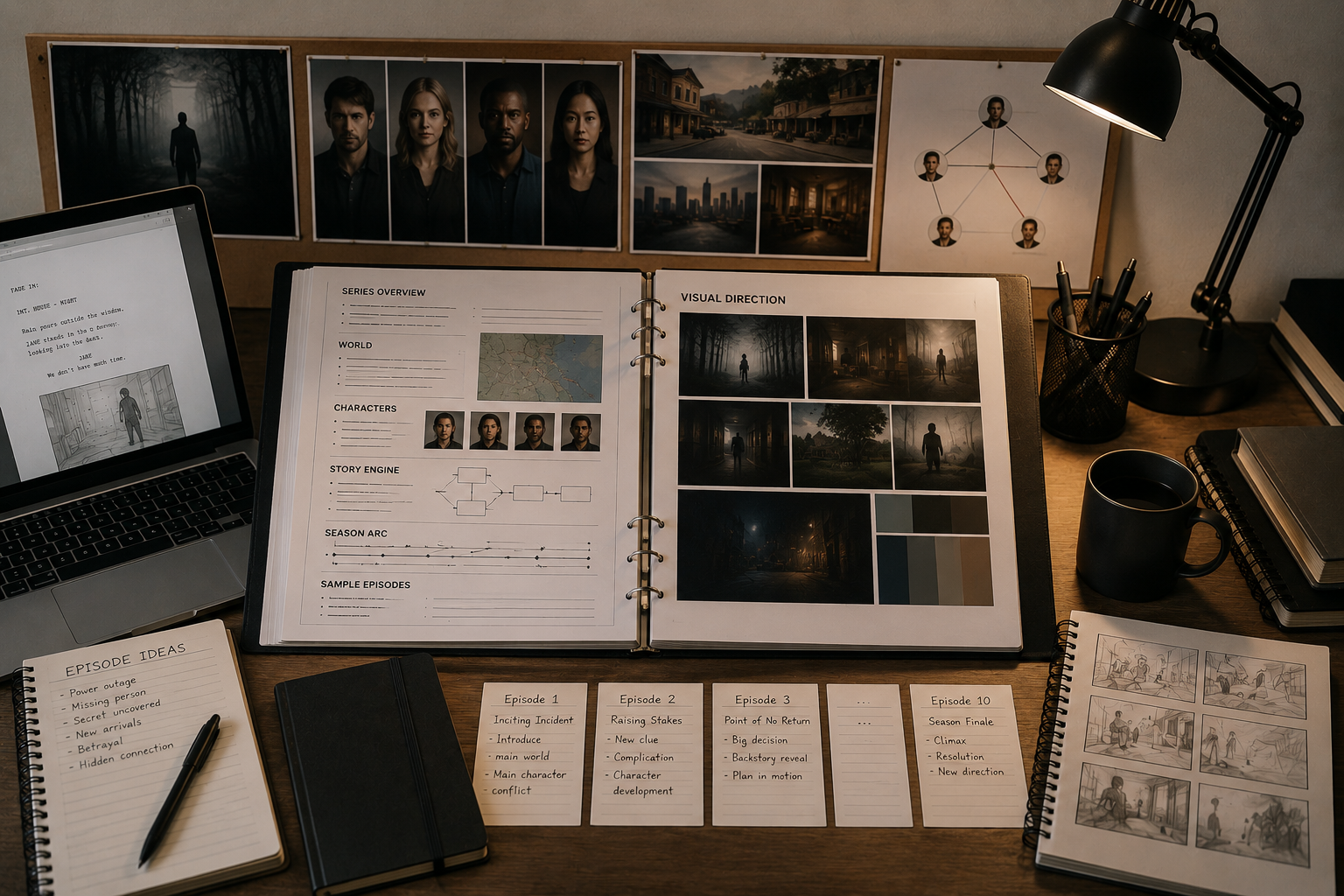
A strong TV concept needs room to grow beyond its pilot. Writers must understand the characters, world, conflicts, and repeatable story patterns that can sustain a full season—or several.
So, what is a show bible? It is a reference document that explains a television series and its storytelling potential. Depending on its purpose, it may cover the concept, tone, characters, story engine, pilot, season arc, sample episodes, and visual direction. Writers use it to develop an idea, pitch a series, or keep an active production consistent.
How a Show Bible Supports a TV Series
A show bible turns a broad idea into a series that other people can understand. It shows what makes the project distinctive, how its characters generate conflict, and where the story may go after the opening episode.
During development, the document helps writers expose gaps in the concept. A compelling pilot about a missing child may create immediate tension, but what happens once the child returns? If the central premise ends there, the idea may work better as a film or limited series. Testing several directions with an AI story generator can help reveal whether the premise supports a continuing series or only one complete story.
Pitch bibles and production bibles serve different readers. A pitch bible sells the concept and its future potential to producers, executives, or collaborators. A production bible records established facts, character histories, timelines, locations, and world rules so that later scripts do not contradict earlier episodes.
Build the Foundation of Your TV Series
Before choosing fonts or collecting reference images, define the dramatic elements that will keep the series moving. A practical show bible template can provide headings, but the content beneath those headings must reveal why this particular idea deserves multiple episodes.
Define the Series Concept
State the premise in a few clear sentences. Identify the central situation, the main source of conflict, and the element that separates the series from similar programs.
“Doctors work in a hospital” describes a setting, not a complete concept. A stronger version might center on an understaffed emergency department that must remain open during a citywide infrastructure collapse. That premise immediately creates pressure, moral choices, and new episode possibilities.
The overview should also clarify the format, genre, expected episode length, and intended audience when those details affect the storytelling.
Establish the World and Tone
The world section explains where the story takes place and which rules shape everyday life. A contemporary family comedy may need only a short description of its neighborhood and social setting. A science-fiction drama requires firmer answers about technology, government, travel, or survival.
Tone matters just as much. Two shows can share a police-station setting while creating completely different viewing experiences: one treats workplace mistakes as dry comedy, while another explores the emotional cost of public service. Concrete descriptions communicate tone more effectively than a long list of adjectives.
Develop the Character Dynamics
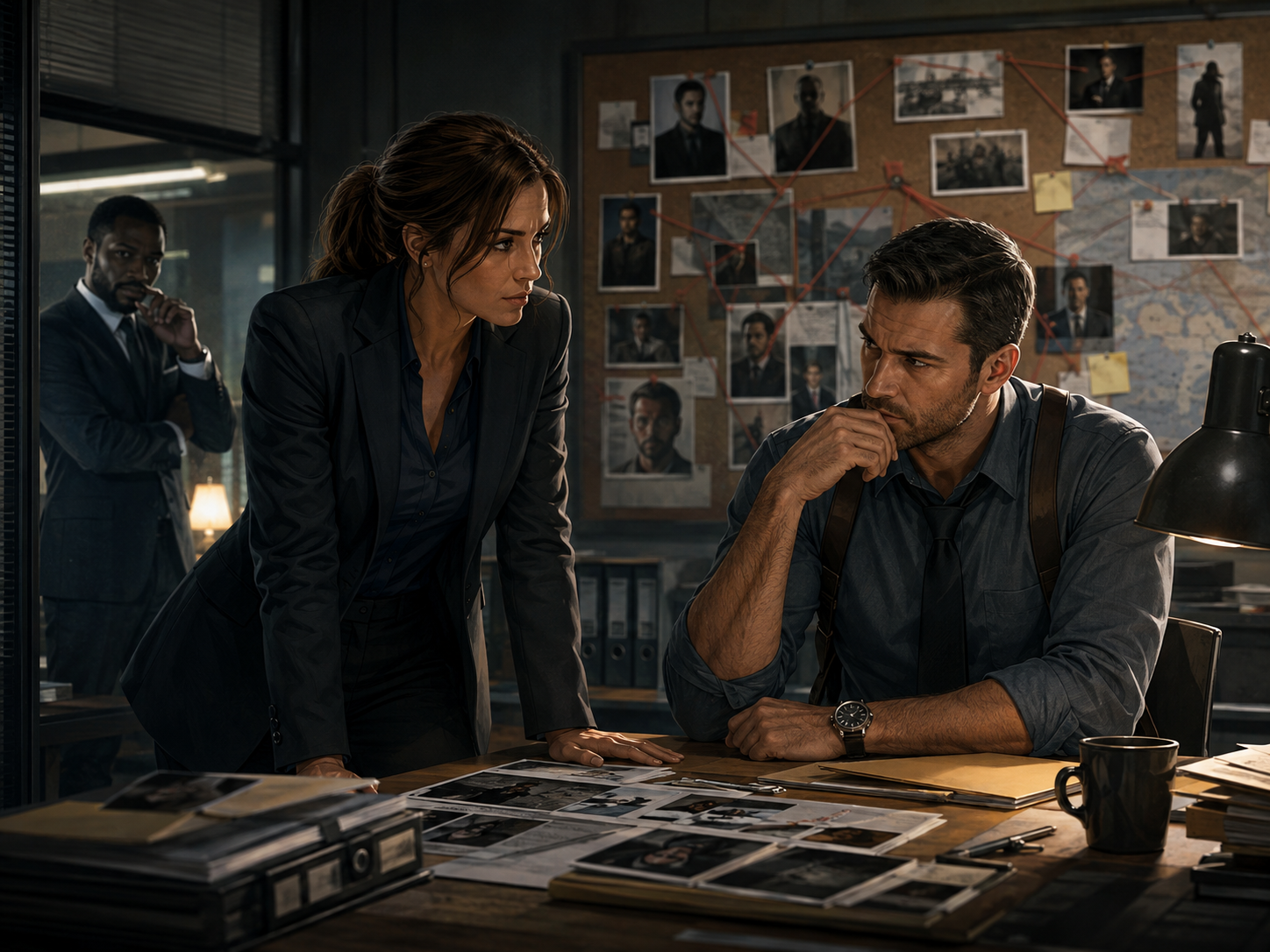
Character profiles should cover each major figure’s goals, motives, flaws, secrets, and capacity for change. Age, occupation, and appearance provide context, but they rarely generate episodes on their own. A detailed character profile can also establish how someone speaks, reacts, and behaves across different situations.
Relationships create movement. A detective may depend on a partner whose promotion she secretly blocked. They cooperate during cases, yet the hidden betrayal threatens every personal exchange. That tension can develop across many episodes without preventing either character from acting.
Every central character needs an active role in the story. Give each one an ongoing problem or desire that can create decisions, consequences, and fresh conflict.
Define the Story Engine
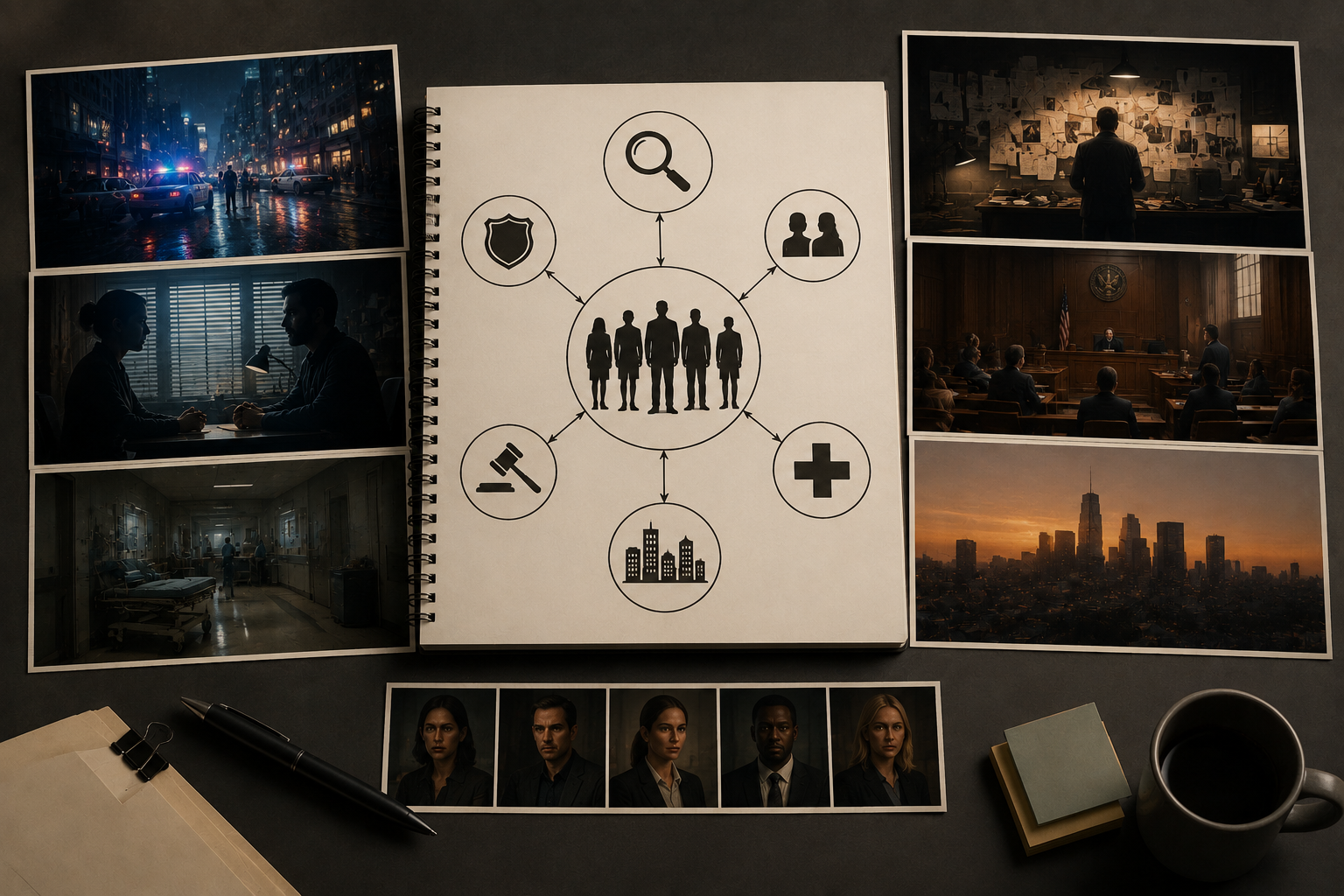
The story engine explains how the series repeatedly produces episodes. Without one, an exciting pilot may lead nowhere.
A procedural series needs a renewable case, task, or mission structure. Serialized drama draws momentum from long-term conflicts that escalate and change the characters’ circumstances. A hybrid connects a self-contained weekly plot to a larger season arc.
Several distinct episode ideas can test whether the engine works. A restaurant comedy might cover a disastrous critic visit, a staff walkout, and a rival’s grand opening. Each premise uses the same workplace and character group, but the source of pressure changes.
Map the Series Arc
Outline the pilot’s starting point, the first season’s central conflict, the major character changes, and the likely direction of the finale. This is a map, not an unchangeable episode-by-episode contract.
For a multi-season project, briefly show how relationships and conflicts could expand after season one. Avoid locking every future season into detailed plots before the characters have developed on the page.
A limited series needs a firmer destination. State the ending and show how each stage of the story moves the characters toward it.
How to Create a TV Show Bible
No single format fits every television project. These five steps help writers create a document that matches the series and its intended reader.
Step 1: Choose the Purpose
First decide whether the bible will organize your ideas, support a pitch, or maintain continuity during production.
A pitch bible emphasizes the hook, characters, story engine, and future possibilities. A production bible records more detailed canon facts and timelines. Always follow the stated rules when a producer, competition, or development program requests particular sections or page limits.
Step 2: Select the Sections
Choose sections based on what readers need to understand. A pitch-focused version often contains:
Series overview and format
World, tone, and main characters
Story engine and pilot summary
First-season arc and sample episodes
Visual references when they support the concept
A realistic workplace drama can keep its setting section short. Fantasy, science fiction, animation, and historical drama usually need more space for rules and background.
Step 3: Write for Quick Reading
Clear headings, short paragraphs, and consistent formatting help a busy reader locate the strongest material. The language can reflect the show’s personality, but style should never hide the meaning. A creative design tool can help maintain a consistent layout, color direction, and visual hierarchy throughout the document.
Watch for repetition. If the overview already explains the protagonist’s central dilemma, the character profile should develop it rather than repeat the same summary. The pilot section can then show how that dilemma causes action.
Step 4: Show the Visual Direction
A small selection of character, location, costume, color, or atmosphere references can communicate the intended viewing experience. Highly stylized animation, fantasy, and science fiction often benefit most from this material; a grounded legal drama may need only a few restrained images.
When suitable source material is unavailable, writers can bring character traits, locations, historical details, and mood descriptions into RoboNeo to explore possible concept visuals. Keep only images that clarify the characters, world, or tone. Decorative art that adds no story information makes the document longer without making the series easier to understand.
Step 5: Align the Materials
Compare the show bible with the pilot script and pitch deck. Character backgrounds, locations, story rules, and planned developments should agree across all three. A connected script and visual planning workflow can make it easier to check whether the written scenes and visual direction still support the same concept.
Sample episodes must also demonstrate the story engine. If every idea simply repeats the pilot’s central problem, the concept may not yet have enough range. Remove outdated notes, unresolved contradictions, and details that no longer support the series.
Show Bible Examples by Series Type
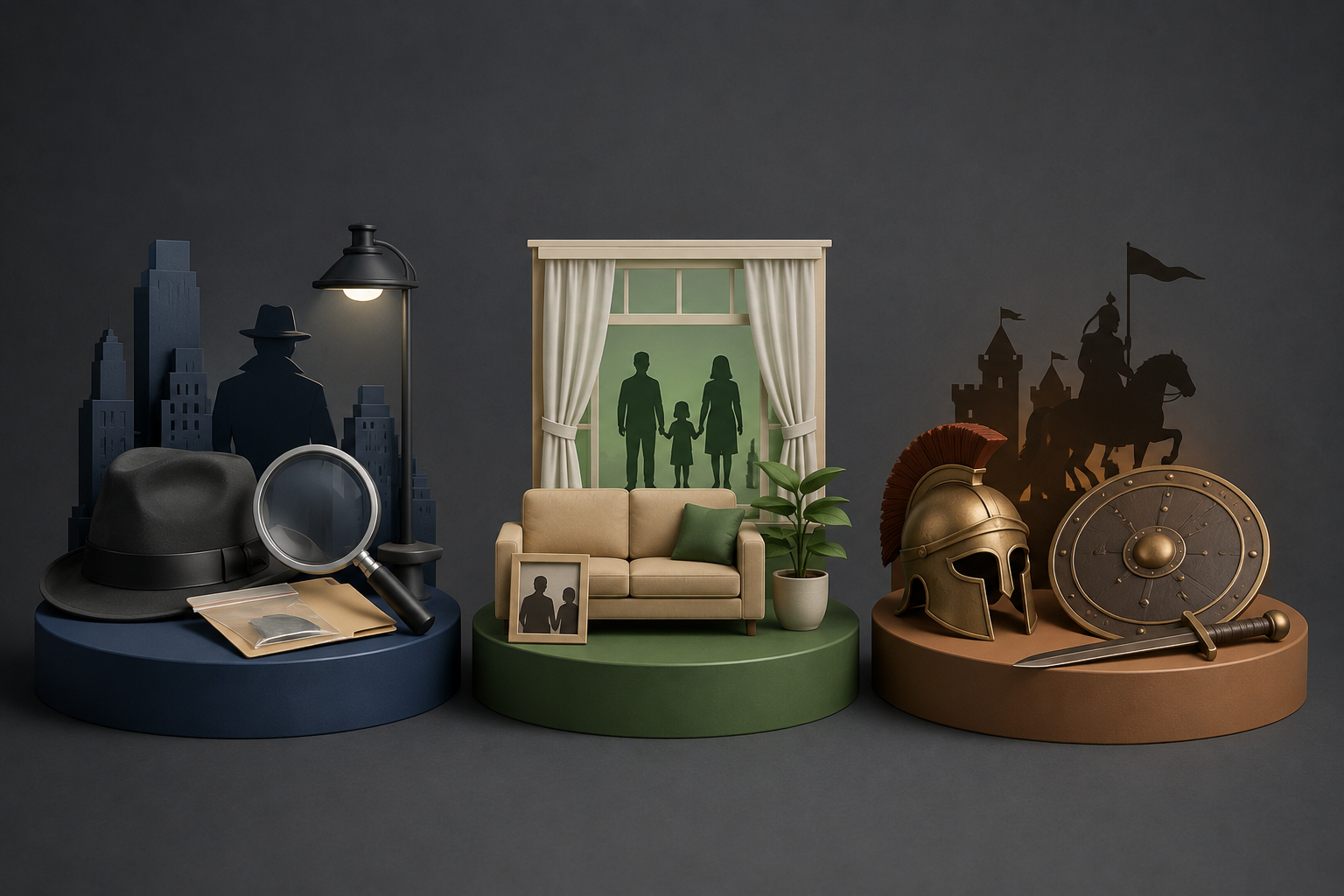
The most useful material changes with the series format. Writers should adjust the emphasis rather than force every project into the same structure.
Procedural Series
A procedural bible explains how each case, medical event, assignment, or mission begins and resolves. It should define the working environment, character responsibilities, and the effect of weekly stories on continuing relationships.
Strong sample episodes use the same underlying mechanism to create different challenges. A rescue series could alternate between a mountain accident, a flooded subway, and a missing hiker rather than changing only the victim’s name.
Serialized Drama
Serialized drama depends on causally connected storylines. Its bible should give more attention to character arcs, the first-season conflict, and the way one episode changes the conditions of the next.
Readers do not need every scene in advance. They do need evidence that the season has direction, that major choices carry consequences, and that the planned ending rewards the buildup.
Limited Series
A limited-series bible presents a complete story with a defined endpoint. It outlines the opening situation, escalation, major character changes, conclusion, and the narrative task assigned to each episode.
Future seasons rarely deserve much space unless the concept leaves a genuine but nonessential path for expansion. The document should not pretend that an intentionally closed story can continue forever.
Comedy Series
Comedy bibles focus on the character combination, recurring friction, comic rules, and situations that can produce new humor each week. The prose may carry the show’s wit, but jokes cannot replace an explanation of its mechanics.
Episode ideas should test the comedy engine in varied conditions. An ambitious local politician facing a school fundraiser, a viral mistake, and a budget hearing offers more range than three nearly identical public embarrassments.
Animated Series
Animation often requires clearer information about character design, world rules, visual language, and target age. Children’s projects may also need to define educational aims, content boundaries, or a consistent episode structure.
Concept art works best when it answers a story question: how a vehicle moves, why a location creates danger, or how a character’s design reflects their role. A polished image without narrative purpose contributes little.
FAQ
How long should a show bible be?
A pitch bible may run from roughly 5 to 20 pages, although project requirements vary widely. Complex worlds may need more space. Production bibles can become much longer because they accumulate canon details throughout the series.
Do I need a show bible before writing the pilot?
Not necessarily. Some writers create a short development bible first, while others discover the series by drafting the pilot. Before pitching, however, you should understand the characters, story engine, and season direction well enough to explain them clearly.
What is the difference between a show bible and a pitch deck?
A show bible provides written detail about the series, characters, world, and future stories. A pitch deck usually presents the project through shorter text and stronger visual design. Some projects combine both functions in one document.
Should a limited series have a show bible?
Yes. Its bible can establish the full narrative path, character changes, and role of each episode. Unlike a bible for an ongoing series, it should emphasize how the story reaches a planned ending.
Can a show bible include concept art?
Yes. Concept art can clarify characters, locations, costumes, technology, or tone. Include it selectively, and make sure each image helps the reader understand how the series looks or works.
You May Be Interested

How to Turn Long YouTube Videos into TikToks with an AI Video Clip Generator
Best 3D Character Creator to Make Custom Characters
Best AI Video Enhancer in 2026: 8 Tools, Pros and Cons

5 Best Free AI Story Generators in 2026: Tested & Ranked
Best TikTok Script Generator in 2026