How to Make a Viral Instagram Reel: Ideas, Hooks, and Trends
 RoboNeo TeamNovember 2, 2026
You post a Reel, but the views stop growing almost immediately. Viewers swipe away before reaching the main point, and the video receives few shares even after you spend hours planning, filming, and editing it.
A viral Reel cannot be guaranteed, but its chances improve when the idea is easy to understand, the opening earns attention, and the payoff gives people a reason to keep watching or share it. This article explains how to choose an idea, use current trends, design a stronger opening, and turn the concept into a finished video.
The Anatomy of a Viral Reel: What the Algorithm Actually Wants
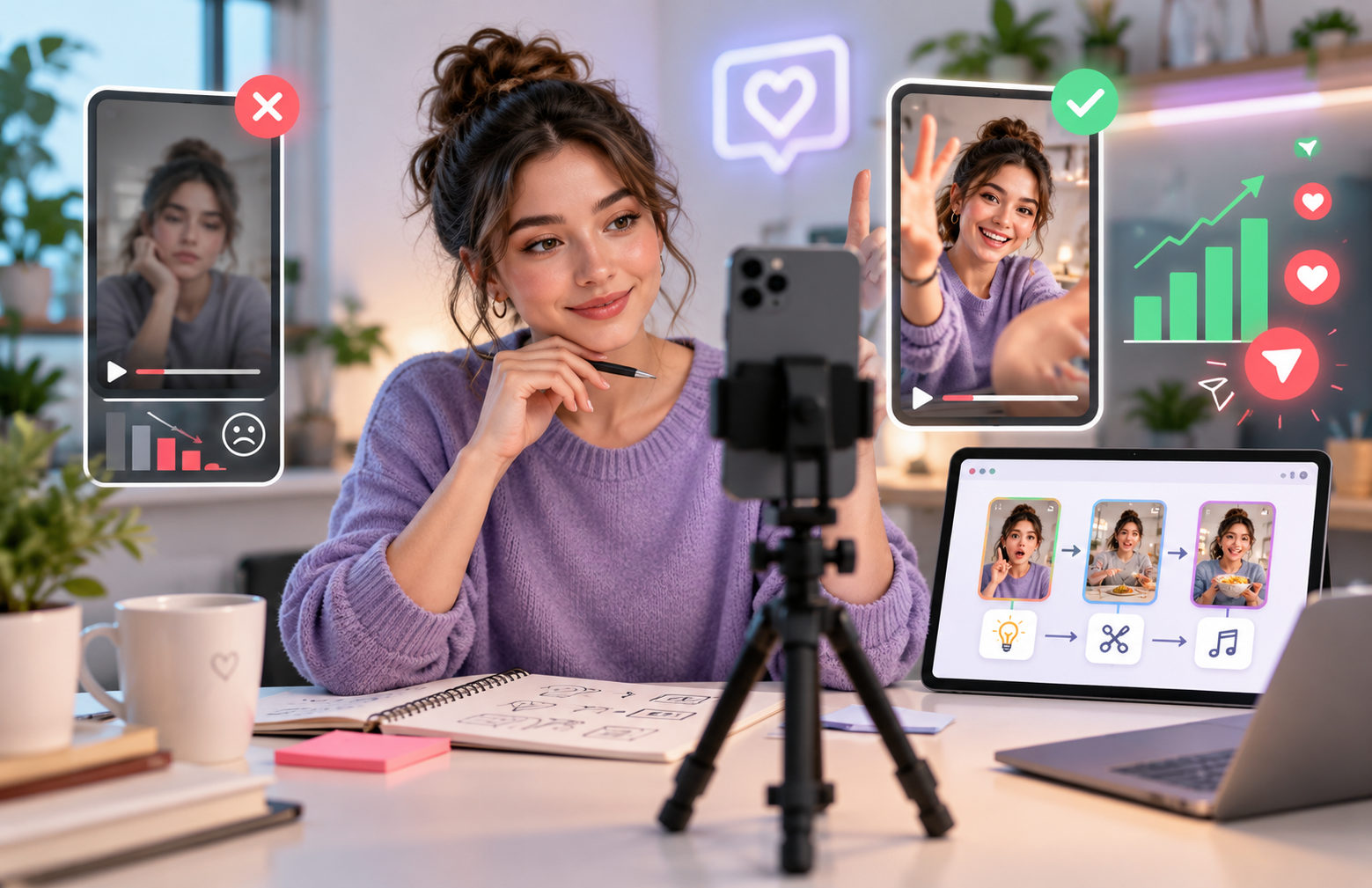
A Reel needs to stop the swipe, hold attention, and encourage an action that helps it reach new viewers. Likes provide useful feedback, but watch behavior and shares reveal more about whether the content can travel beyond your existing audience.
Why Shares Matter More Than Likes
A like means someone enjoyed your Reel. A share means they thought another person should see it, allowing the video to reach viewers who may not already follow you.
Shareable Reels usually offer at least one clear reason to send them:
A solution to a common problem.
A highly relatable situation.
A useful shortcut someone can apply immediately.
A funny moment that reminds viewers of a friend.
An opinion that starts a conversation.
Before filming, ask who would receive the Reel in a direct message and why. "Send this to the friend who always skips this step" is more specific than "Please share," but the content must first earn that request by being useful, funny, or relatable.
Why 3-Second Retention Matters More Than Likes
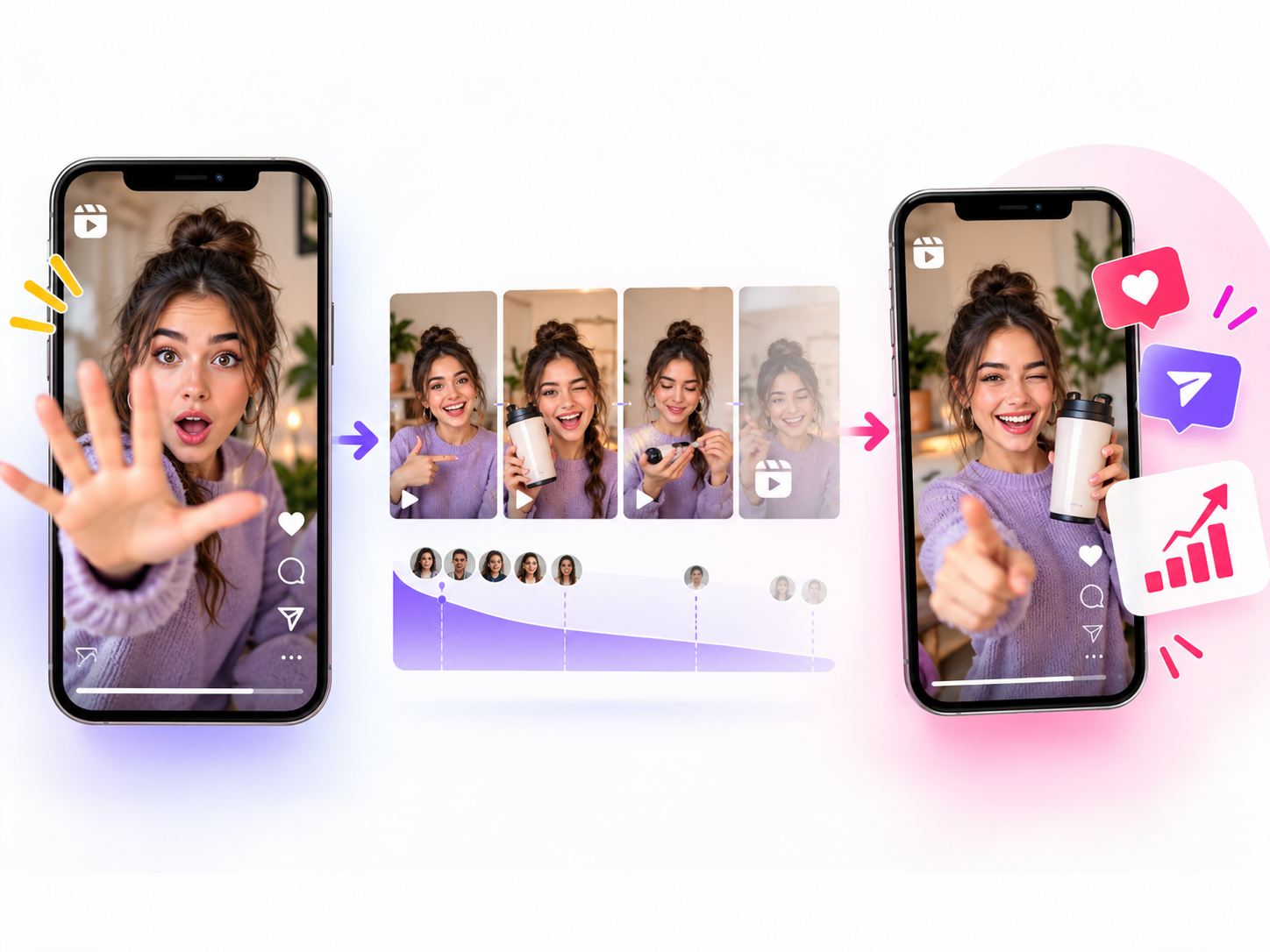
The first three seconds determine whether most viewers stay or swipe. Starting with a logo, greeting, or long explanation wastes the most valuable part of the video without giving the audience a reason to continue.
Open with the result, conflict, or most interesting action. A cooking Reel might show the finished dish before the recipe. A fashion video can begin with the final outfit before showing the transition. A tutorial can display the mistake and corrected result side by side.
The opening should also work without sound. When writing a short-form video hook, use one short line of on-screen text that matches the visual and spoken message. After publishing, check the retention graph. A sharp early drop suggests that the first frame or hook needs improvement. A later drop usually means the pacing slowed or the payoff arrived too late.
The 5 Best Instagram Reel Hook Types That Stop the Scroll
A hook is more than the first sentence. It includes the opening visual, on-screen text, facial expression, and action. These elements should work together to give viewers one clear reason to continue watching.
Curiosity & Question Hooks
Curiosity hooks reveal the topic while holding back one valuable detail. Examples include:
"I wish someone had told me this sooner."
"Why do your videos look worse after uploading?"
"Can you spot the mistake in this setup?"
The viewer should understand the subject without already knowing the answer. Pair the line with an expressive reaction, unexpected result, or contrast between the on-screen text and what is happening.
Avoid empty phrases such as "Wait until the end." They ask for attention without explaining what the viewer will gain. A stronger version identifies the outcome: "This one setting fixed my blurry uploads."
Problem Amplification Hooks
A problem hook starts with a frustration the audience already recognizes. Instead of saying, "Here is an editing tip," try: "If your transitions always feel one beat late, this is probably why."
Use a real moment from daily life to make the problem feel familiar. A creator could show a failed attempt, a repeated habit, or an unexpected mistake before revealing the solution. Small details, such as a growing pile of rejected outfits or multiple unfinished drafts, help viewers recognize themselves in the situation.
Keep the problem specific rather than exaggerated. Viewers stay when they understand exactly what is wrong and believe the video will provide a realistic answer.
POV & Relatable Hooks
POV hooks place viewers inside a recognizable situation while the visuals show the experience from their perspective. They work especially well when the video includes movement, rhythm, or a clear transformation.
For example, an OOTD creator could open with "POV: You have five minutes to choose an outfit," then use a hand covering the lens, a jump, or a turn toward the camera to switch looks on each beat. Fashion and Cosplay creators can use the same structure to reveal different outfits or character designs quickly.
The situation should remain easy to understand even without sound. A short text overlay, recognizable action, and well-timed transition are usually enough to communicate the idea.
Bold Statement / Shock Hooks
A bold statement challenges a familiar belief and creates an immediate reason to keep watching. Examples include "Posting every day will not fix a weak Reel" and "You do not need expensive lighting for this shot."
Support the claim with a quick demonstration, comparison, or practical answer. A short video could explain one useful technique, correct a common mistake, or answer a specific question. Show the result early, then give viewers only the information they need to understand or recreate it.
A visual pattern interrupt can make the statement stronger. Try a sudden close-up, fast movement, unexpected expression, or clear before-and-after comparison. The visual should support the message rather than create shock with no payoff.
Consistently creating viral content takes more than inspiration. It also requires an efficient production workflow. If you do not want to spend hours editing, use the next-generation creator partner RoboNeo for a fast viral remake.
How to Make a Viral Instagram Reel with RoboNeo
RoboNeo Viral Remake helps creators adapt viral video formats to their own products, characters, and creative assets. It analyzes reference videos and uses their structure, scene flow, and visual style to generate new content around your selected subject. You can also enter custom prompts to guide the creative direction, making it easier to adapt popular video concepts to your own Instagram content.
Recreate Your Reel with RoboNeo
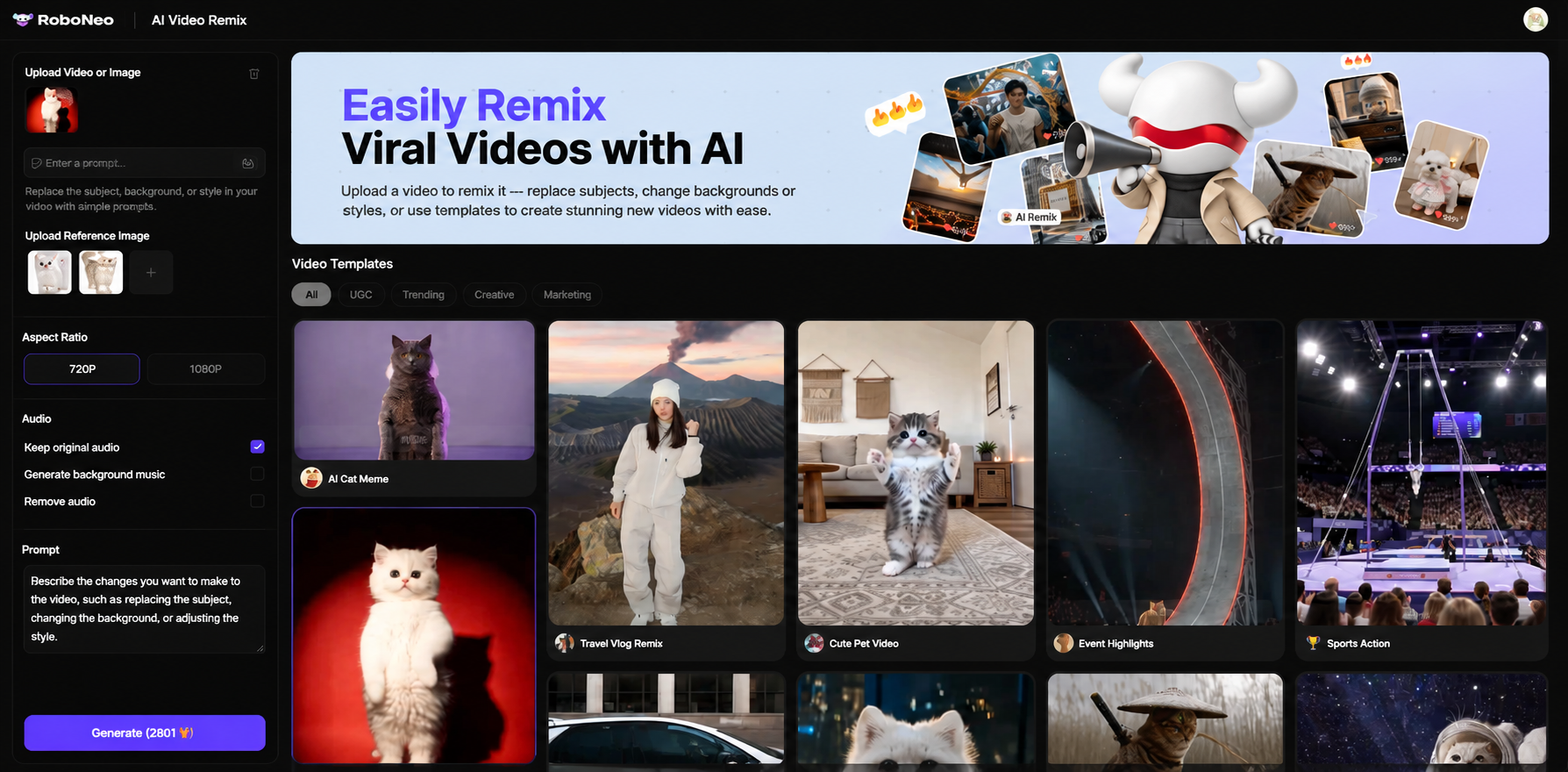
Step 1: Choose a Reference Video
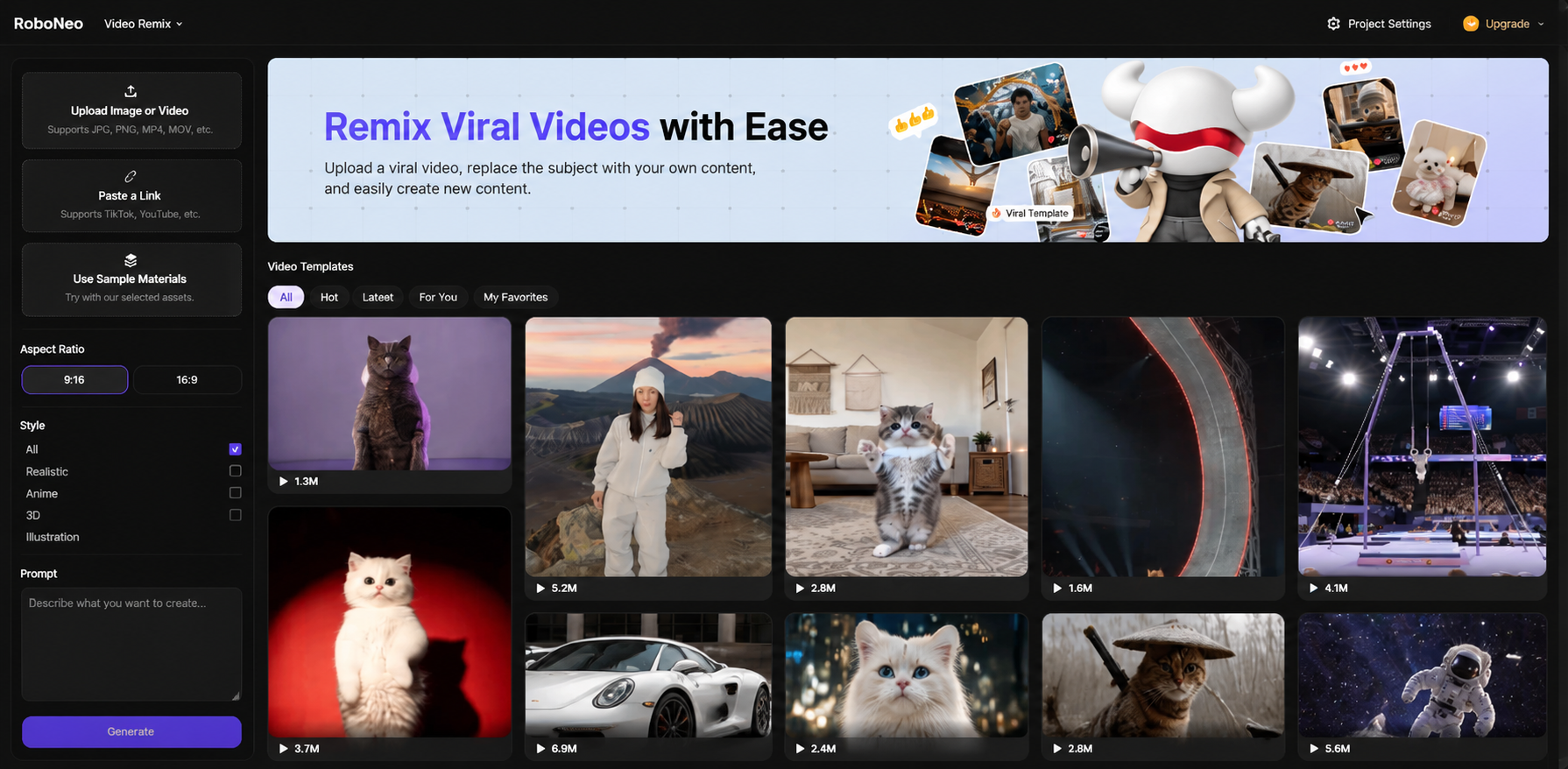
Open the RoboNeo Viral Remake feature and select a viral video template or upload a reference video from your device. Look for a Reel with a clear hook, recognizable actions, and a scene structure that suits your content. The reference video provides the creative direction for your remake.
Step 2: Select Your Product or Character and Enter a Prompt
Choose the subject you want to feature in the new Reel. You can select a product, character, or image from your RoboNeo history, asset library, or IP collection, or upload a new asset from your device. Then, enter a prompt describing how you want the subject to appear in the remake. Include details such as the setting, actions, visual style, or specific changes you want to make to the reference video.
Step 3: Generate Your Viral Remake with AI
RoboNeo analyzes the reference video, your selected assets, and your instructions to generate a new video inspired by the original concept and flow. It adapts the video format around your own product or character, helping you recreate the creative direction without manually rebuilding every scene and transition.
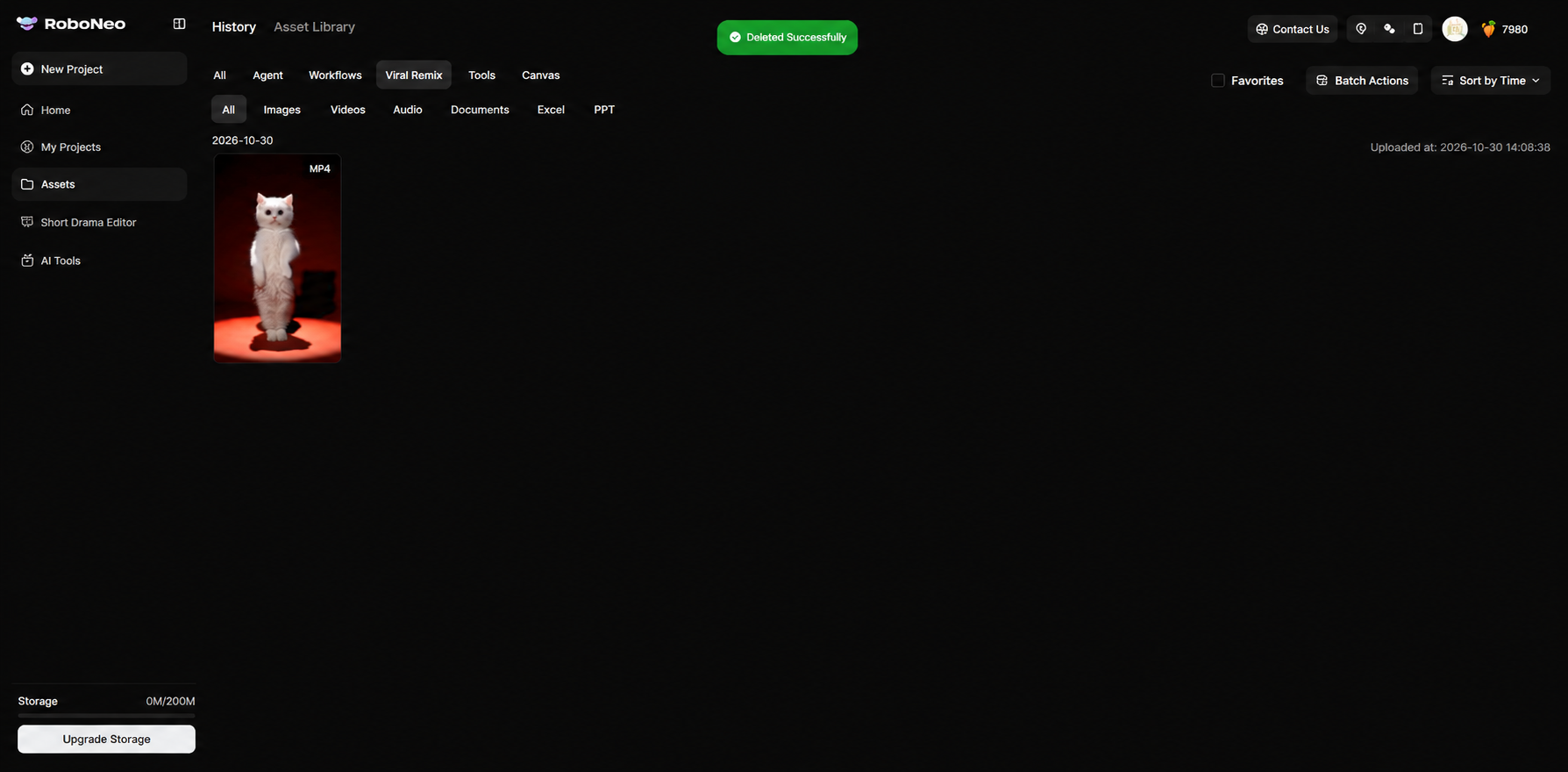
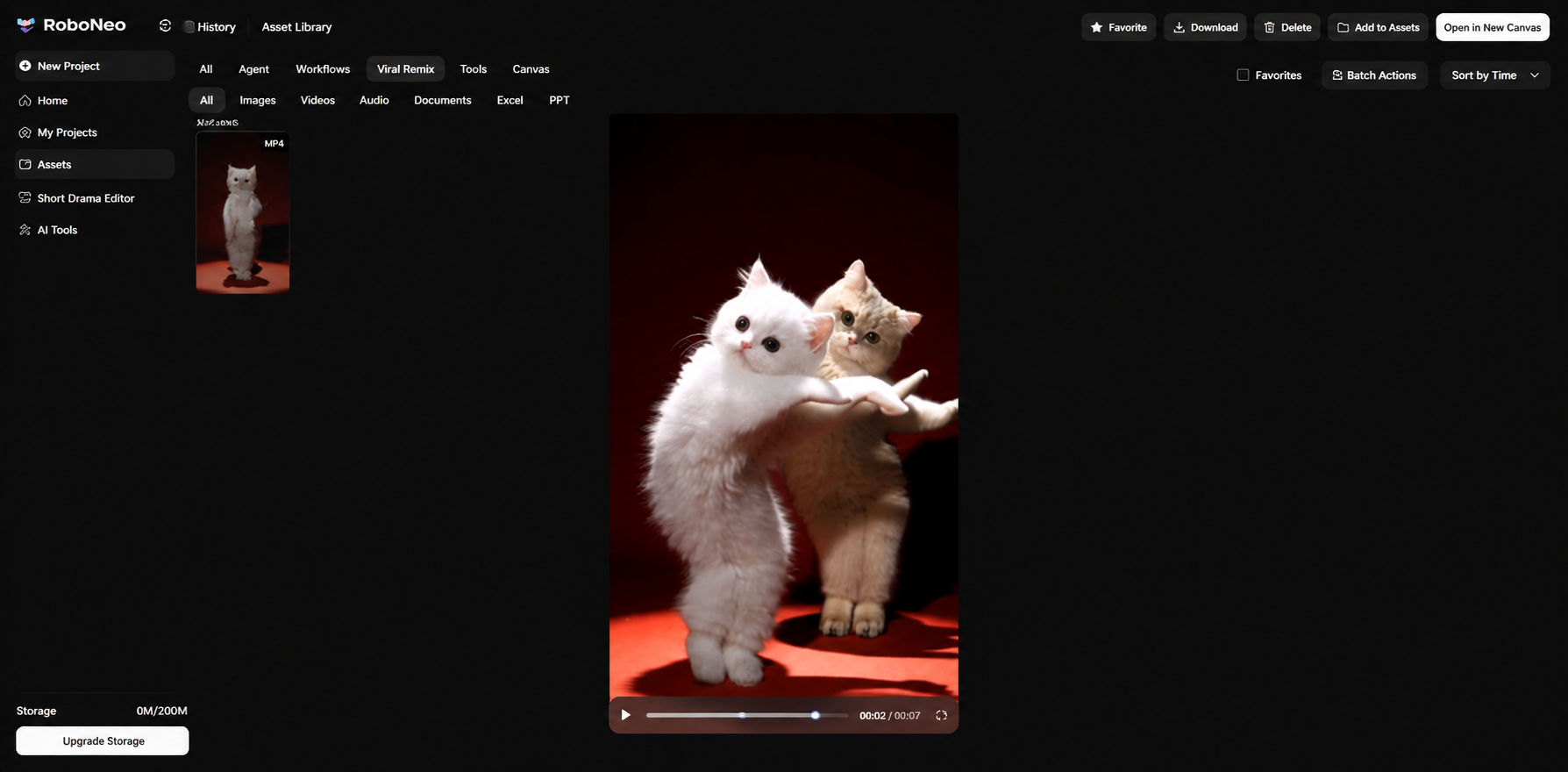
Step 4: Review and Refine Your New Reel
Watch the generated remake and check whether the subject, scene composition, and overall visual flow match your expectations. If a particular visual needs improvement, provide additional instructions or adjust the relevant elements before generating the final version. Download the approved video and prepare it for Instagram Reels.
RoboNeo offers a more flexible way to produce social media videos, especially for creators who want to test different content ideas without rebuilding their workflow each time. It can help reduce repetitive production work and leave more room to focus on creative direction, audience preferences, and developing new Reel concepts.
4 Hottest Instagram Reels Ideas in 2026
A strong Reel idea should be easy to understand, visually engaging, and suited to short-form viewing. If you are unsure what to create next, try these four adaptable Instagram Reels ideas:
Match Your Cuts to the Beat: Place outfit changes, product reveals, location switches, or finished results on the strongest beats. This format works well for OOTD videos, makeup transformations, recipes, room makeovers, and travel recaps.
Use Close-Ups More Than Wide Shots: Focus on facial expressions, hand movements, product textures, or small before-and-after changes. Close-ups make important details easier to recognize on a phone screen.
Add Captions for Sound-Off Viewing: Use short on-screen lines to present a useful tip, common mistake, or relatable situation. Change the text as the video progresses so viewers can follow the content without sound.
Aim for 15–30 Seconds When the Idea Fits: Build the video around one problem, one demonstration, and one clear result. This concise format suits tutorials, product reveals, visual jokes, and simple life hacks.
After posting, compare watch time, shares, and non-follower reach. Keep the strongest format, then test one change in the next Reel, such as a new first frame, closer camera angle, different caption style, or faster reveal.
FAQ
Do I need special equipment to make Instagram Reels?
A smartphone that records clear vertical video is enough. Use natural window light or a basic ring light, stabilize the phone with a tripod, and add an external microphone only when recording speech in a noisy environment.
What makes a good hook for an Instagram Reel?
A good hook shows the main problem, result, or question within the first three seconds. Use a clear first frame, one short line of on-screen text, and an opening action that immediately supports the promise.
Can AI-generated Reels go viral?
Instagram viewers respond to the content, not simply how it was produced. An AI-generated Reel still needs a strong opening, consistent visuals, natural pacing, and a useful, entertaining, or relatable payoff.
How often should I post Instagram Reels?
Start with two to four Reels per week and review their performance before increasing the frequency. Choose a schedule that gives you enough time to maintain quality and test new hooks, formats, and topics.
You May Be Interested
How Much Does It Cost to Make a Movie: Traditional vs AI

How to Make a Memorial Video: AI Tips for Meaningful Memories
How to Make a Meme Video: Types, Steps, and Simple Tips
How to Make a Logo Transparent: Steps and Fixes

How to Make a Photo Less Blurry in 2026?
How to Make an AI Dance Video in 2026: Easy Guide