YouTube Shorts vs TikTok: Which Is Better for Creators in 2026
 RoboNeo TeamOctober 27, 2026
YouTube Shorts and TikTok both help creators reach audiences through short-form videos, but they serve different content strategies. A funny reaction video might gain traction quickly on TikTok, while a practical tutorial on YouTube Shorts could continue attracting viewers through search.
So, is YouTube Shorts better than TikTok? The answer depends on your content, audience, and goals. This comparison covers discovery, video formats, creator tools, monetization, and the benefits of publishing on both platforms.
What Are YouTube Shorts and TikTok?
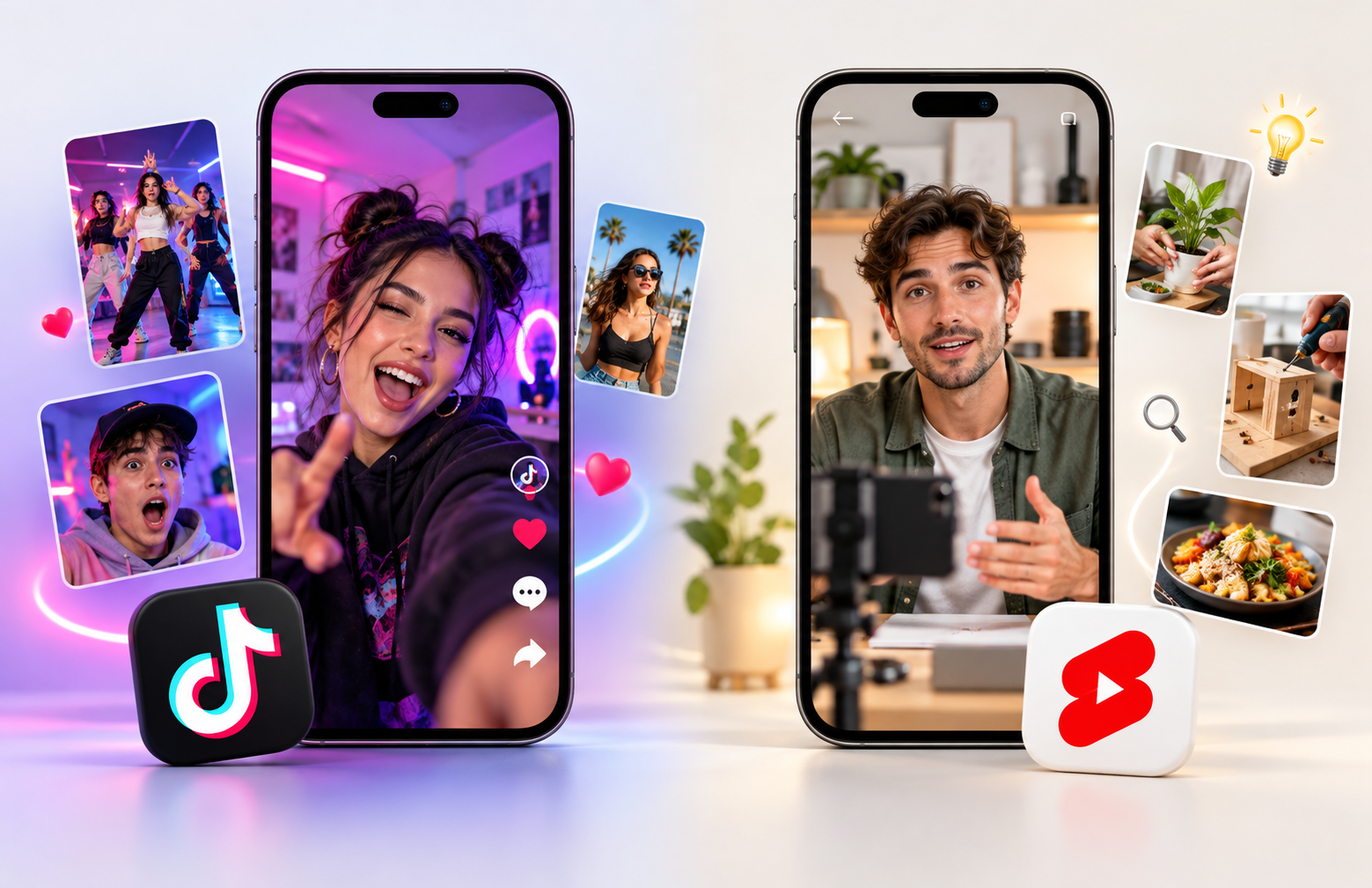
YouTube Shorts is YouTube's short-form video format, allowing creators to publish videos up to three minutes long. Shorts appear in the dedicated feed, search results, and channel pages, alongside YouTube's longer videos.
TikTok is a video-focused social platform known for its personalized For You feed, trending content, and interactive features. Creators can reach viewers beyond their existing followers, making it popular for entertainment, lifestyle content, and community-driven videos.
Both platforms support vertical video and offer editing tools, analytics, and monetization opportunities. However, the way viewers discover and engage with content can influence which platform performs better for a particular creator.
YouTube Shorts vs TikTok: Key Differences
The main differences between YouTube Shorts and TikTok involve how videos reach viewers, how long they remain discoverable, and what creators can earn.
| Feature | YouTube Shorts | TikTok |
| Audience Discovery | Shorts feed, search, and channels | For You feed, search, and trends |
| Content Lifespan | Searchable videos may attract views over time | Trends often drive early attention, though older videos remain discoverable |
| Video Length | Up to 3 minutes | Supports longer videos |
| Video Dimensions | 1080 × 1920 recommended | 1080 × 1920 recommended |
| Creator Tools | Editing, remixing, channel analytics | Effects, Duet, Stitch, editing tools |
| Monetization | YouTube Partner Program | Creator Rewards and other features |
| Content Strengths | Tutorials, education, channel growth | Entertainment, trends, community engagement |
Audience and Discovery
TikTok's For You feed recommends videos based on viewing behavior and interests, helping creators reach new audiences without a large following. YouTube Shorts also recommends content to new viewers, while its connection to YouTube Search and long-form channels provides additional discovery opportunities. TikTok suits trend-driven content, whereas YouTube Shorts can connect short videos with a broader content library.
Content Lifespan
TikTok videos built around popular trends may attract attention quickly, although interest can fade as trends change. YouTube Shorts covering evergreen topics, such as tutorials, can continue attracting viewers through search over time. However, videos on either platform can remain discoverable long after publication, depending on audience interest.
Video Length and Dimensions
The recommended YouTube Short dimensions are 1080 × 1920 pixels (9:16), which also work well for TikTok. YouTube supports qualifying vertical and square Shorts up to three minutes long, while TikTok allows longer videos with limits that vary by recording or upload method. Creators comparing YouTube Shorts dimensions with TikTok specifications can generally use the same vertical video format, adjusting captions and text placement for each platform.
Creator Tools and Interaction
TikTok offers editing effects, sound tools, Duet, and Stitch, making it suitable for trend participation and community interaction. YouTube Shorts provides editing, remixing, audio features, and YouTube Studio analytics, alongside options to connect Shorts with longer videos. TikTok emphasizes interactive content, while YouTube supports creators building a library of related videos.
Monetization and Eligibility
YouTube Shorts monetization through the YouTube Partner Program (YPP) generally requires 1,000 subscribers and either 10 million valid public Shorts views within 90 days or 4,000 valid public watch hours from long-form videos within 12 months for advertising revenue sharing. TikTok's Creator Rewards Program has separate eligibility requirements, including qualifying original videos longer than one minute and availability in eligible regions. Neither platform guarantees fixed earnings per view, and creators can also explore sponsorships and affiliate partnerships.
Which Platform Fits Your Content and Goals?
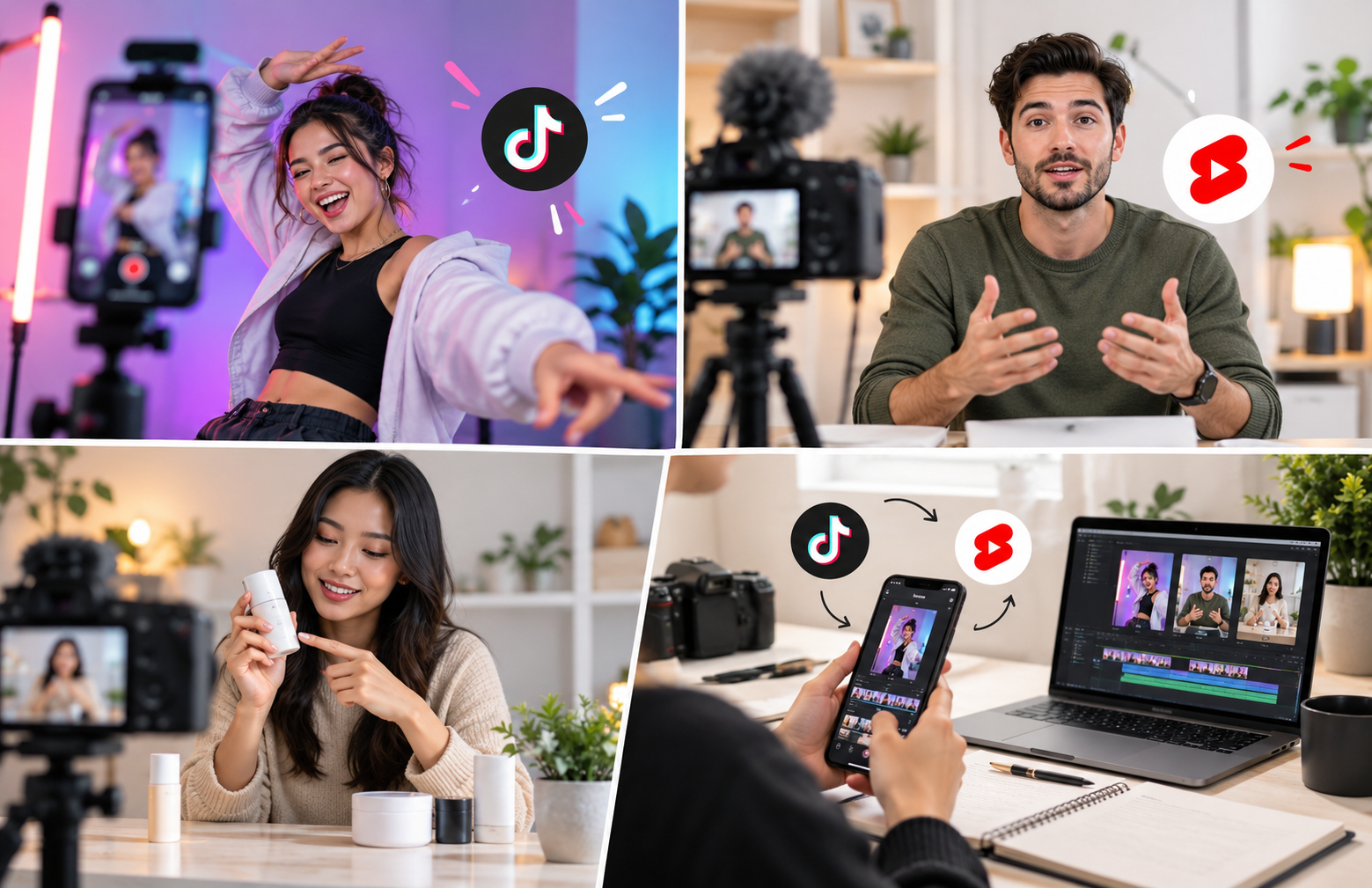
The choice between TikTok vs YouTube Shorts becomes clearer when you consider how short videos support your broader creative work.
Growing an Existing YouTube Channel
YouTube Shorts is a practical choice for creators who already produce long-form YouTube videos.
A cooking channel with a 15-minute recipe tutorial could publish a 40-second Short highlighting the most useful preparation technique. Interested viewers can then find the complete recipe through the related video.
An AI video clip generator can also help creators repurpose longer footage into shorter clips for different platforms.
Creating Trend-Driven Content
TikTok is particularly appealing for creators whose videos depend on popular sounds, humor, reactions, or cultural moments.
A beauty creator responding to a trending makeup technique might use TikTok's editing and interaction features to join an existing conversation. Knowing how to write a hook can help capture attention in the opening seconds.
However, trends move quickly. The format works best when creators can respond while viewers are still interested, rather than following a rigid content calendar.
Publishing Tutorials and Explainers
YouTube Shorts is a strong option for creators who regularly answer specific questions.
A technology channel could publish a 50-second explanation of how to transfer photos between devices. Knowing how to write a video script helps organize the demonstration into a clear sequence. The subject has clear search intent and can connect naturally with a more detailed tutorial.
TikTok also supports educational content, particularly when the opening immediately addresses a recognizable problem. The same subject can succeed on either platform with appropriate pacing.
Earning from Original Videos
Monetization goals should influence video length and content planning.
YouTube creators can combine Shorts with longer videos to develop multiple revenue opportunities. TikTok creators pursuing Creator Rewards need to account for the program's minimum video duration and originality requirements.
A creator making 20-second comedy sketches may find TikTok useful for exposure, but those clips won't meet the duration requirement for Creator Rewards.
Before committing to either platform, compare its eligibility rules with the content you can consistently produce.
Should You Focus on One Platform or Post on Both?
Publishing on both platforms can expand your reach without doubling production work, especially when the videos cover the same topic.
The most practical approach is to keep a clean master version and make separate edits. A TikTok video might begin with a humorous reaction, while the YouTube Short opens with a direct explanation of the subject.
However, maintaining two accounts requires time for captions, comments, analytics, and community interaction. Creators working alone may benefit from establishing a consistent schedule on one platform before expanding.
Over several weeks, compare audience retention, engagement, subscribers, and conversions. The platform delivering more views isn't necessarily the one bringing the most valuable audience.
How to Create Shorts and TikTok Videos with RoboNeo
RoboNeo helps creators develop video ideas into scripts and storyboards, while ready-made templates offer a starting point for YouTube Shorts and TikTok content. With text-to-video, image-to-video, and reusable visual assets, creators can produce vertical clips and adapt them for both platforms without starting from scratch.
Create Videos for Shorts and TikTok
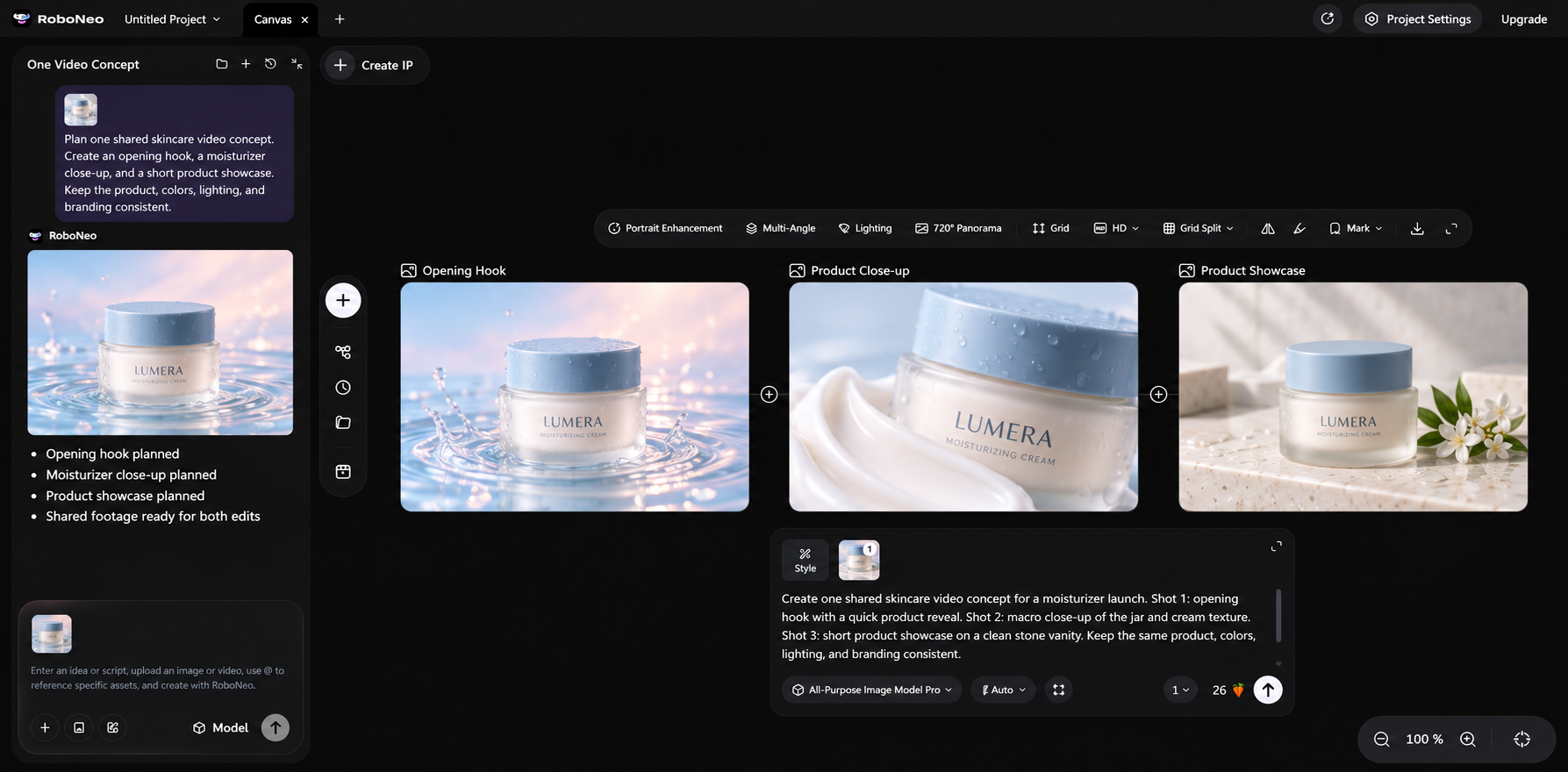
Step 1: Plan Your Video Concept
Start with a story idea, product demonstration, or opening hook in RoboNeo. Use the AI Agent to develop a short script and storyboard, or choose a sample template for inspiration.
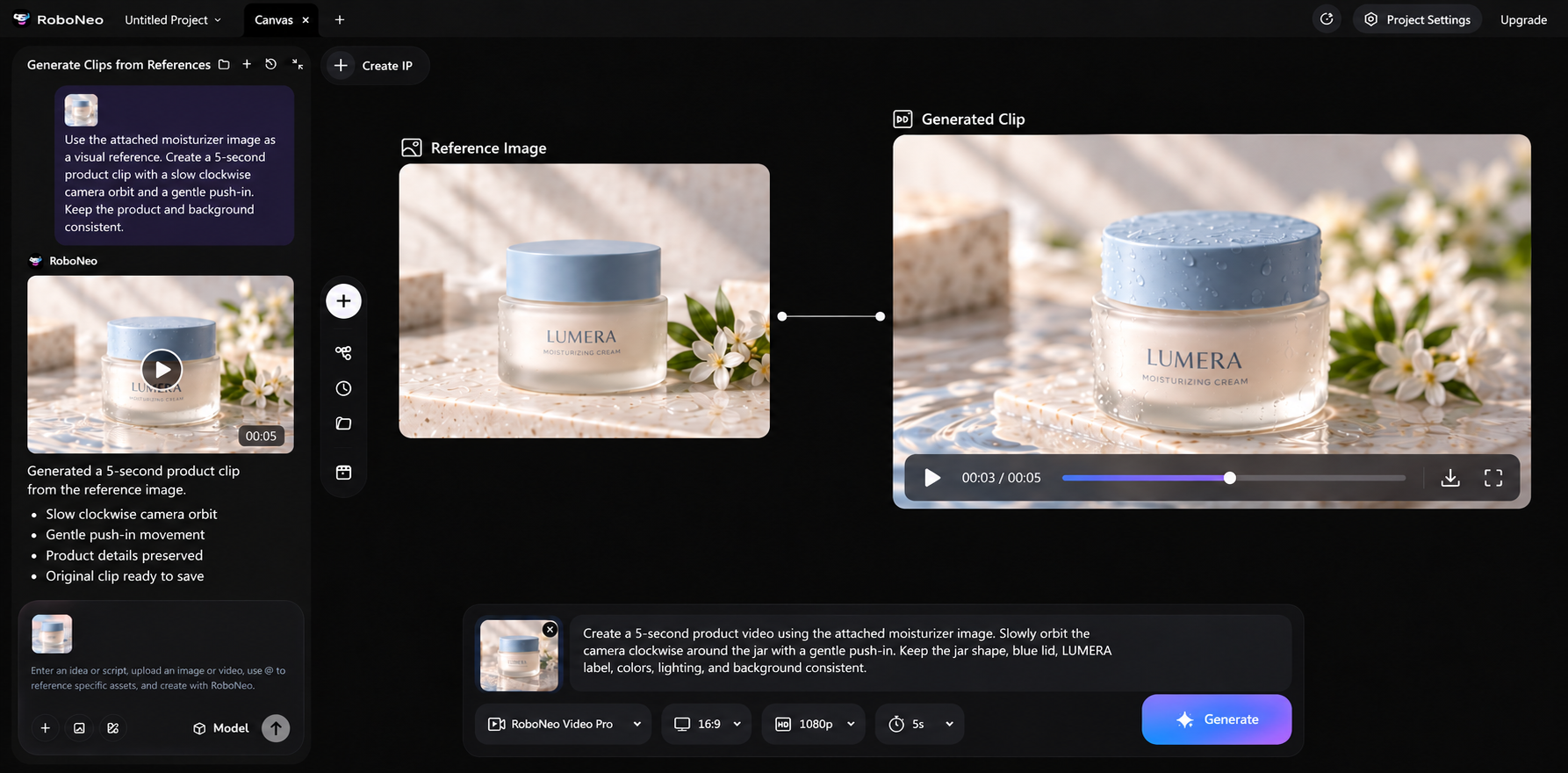
Step 2: Generate Your Video Clips
Generate clips from text prompts or reference images based on your planned scenes. Choose a 9:16 aspect ratio and suitable clip duration where available, then review the footage and refine any details that need adjustment.
Step 3: Edit and Export for Each Platform
Combine the generated clips in RoboNeo's video editor. For both YouTube Shorts and TikTok, use a vertical 9:16 format, ideally 1080 × 1920 pixels. Adjust the opening, pacing, captions, and music for each platform, keeping important text clear of on-screen buttons and captions.
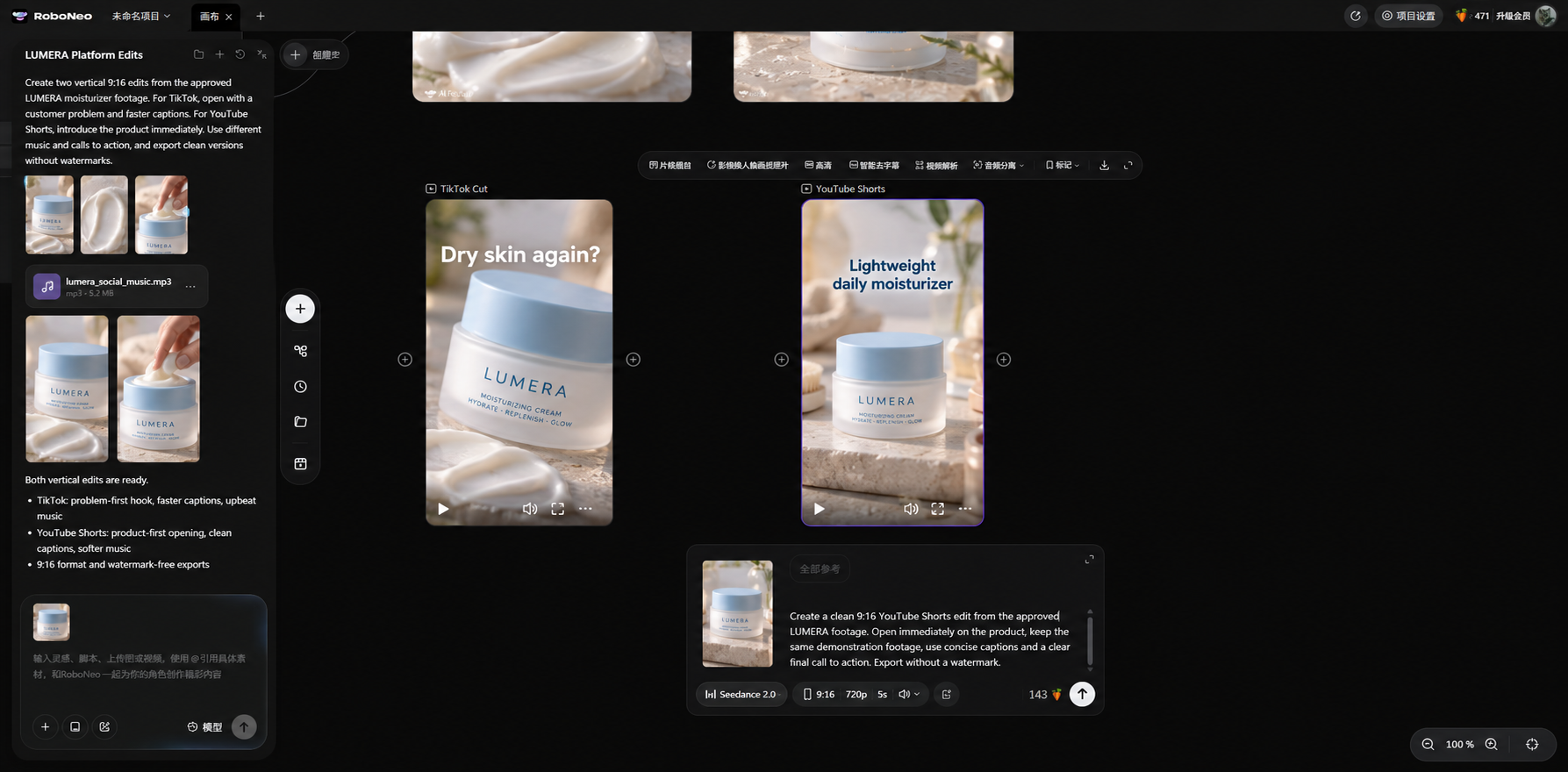
The same footage can work for both platforms, but each version may need different hooks, captions, and pacing to suit its audience. Before publishing, check the music licensing and AI-content disclosure requirements for YouTube Shorts and TikTok.
FAQ
Can I use the same music on YouTube Shorts and TikTok?
Not always. Music available in TikTok's library isn't automatically licensed for YouTube Shorts. Use tracks that explicitly permit publishing on both platforms, or select music separately from each platform's approved library. Business accounts and sponsored videos may have additional licensing restrictions.
Can AI-generated videos qualify for monetization on either platform?
AI-generated videos may qualify for YouTube monetization if they meet the platform's originality, authenticity, and other monetization requirements. TikTok Creator Rewards has its own originality and eligibility standards, so AI-generated footage isn't automatically accepted. Both platforms also have disclosure requirements for certain realistic AI-generated content.
Do I need to show my face on Shorts or TikTok?
No. Both platforms support faceless content, including screen recordings, product demonstrations, animations, and narrated tutorials. A cooking creator can film ingredients and preparation steps from overhead without appearing on camera. Clear visuals, useful information, and engaging storytelling are more important than face visibility.
Do I need to post every day on both platforms?
No. Posting three strong videos per week can be more manageable than rushing to upload daily. Start with a schedule you can maintain, monitor watch time and audience engagement, and increase your output when you have enough content and production capacity.
Will posting Shorts hurt my long-form YouTube videos?
Posting Shorts doesn't automatically reduce the performance of longer YouTube videos. Audience relevance matters more. A camera review channel publishing Shorts about photography tips may attract viewers interested in its full reviews, while unrelated comedy clips could bring subscribers who rarely watch its long-form content.
You May Be Interested

How to Make a YouTube Video With AI: 4 Simple Steps
How to Make a YouTube Gaming Video: A Simple Beginner Guide
Best TikTok Script Generator in 2026
How to Make a TikTok Video in 2026: Complete Guide
SnapTik TikTok Downloader Review: Pros, Cons and Alternative