
How to Write an Effective TV Commercial Script
 RoboNeo TeamJuly 8, 2026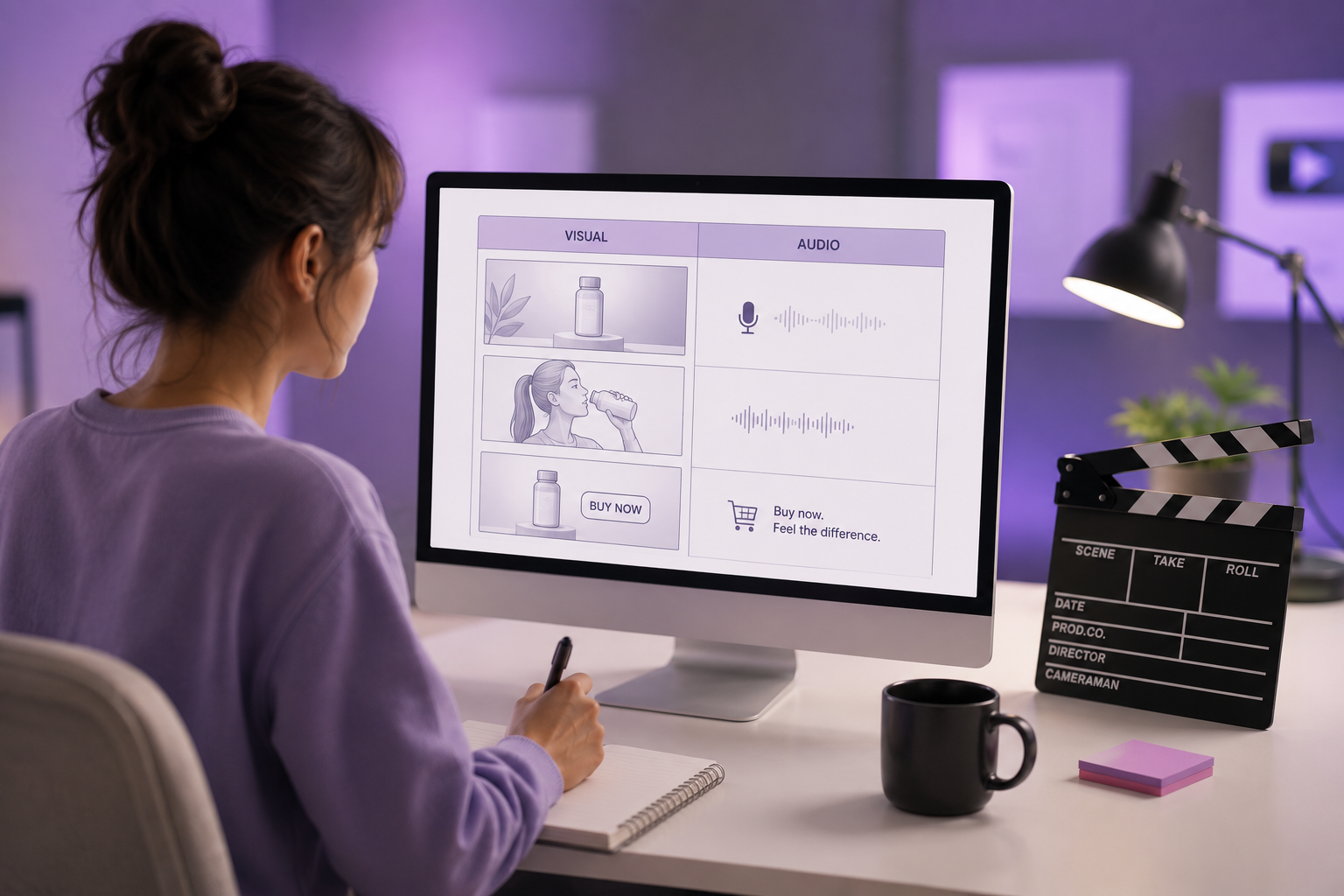
Writing a TV commercial script can feel tricky because every second has to earn its place. In a 15, 30, or 60-second spot, you need to grab attention, explain the product, and give viewers a clear reason to act.
This guide breaks down how to write a TV commercial script, scene by scene, with voiceover and a CTA that fits the length. You’ll also see where AI actually saves time (ideas, tighter copy, draft-to-video)—and where you still need a human pass.
How AI Tools Help You Write a TV Commercial Script
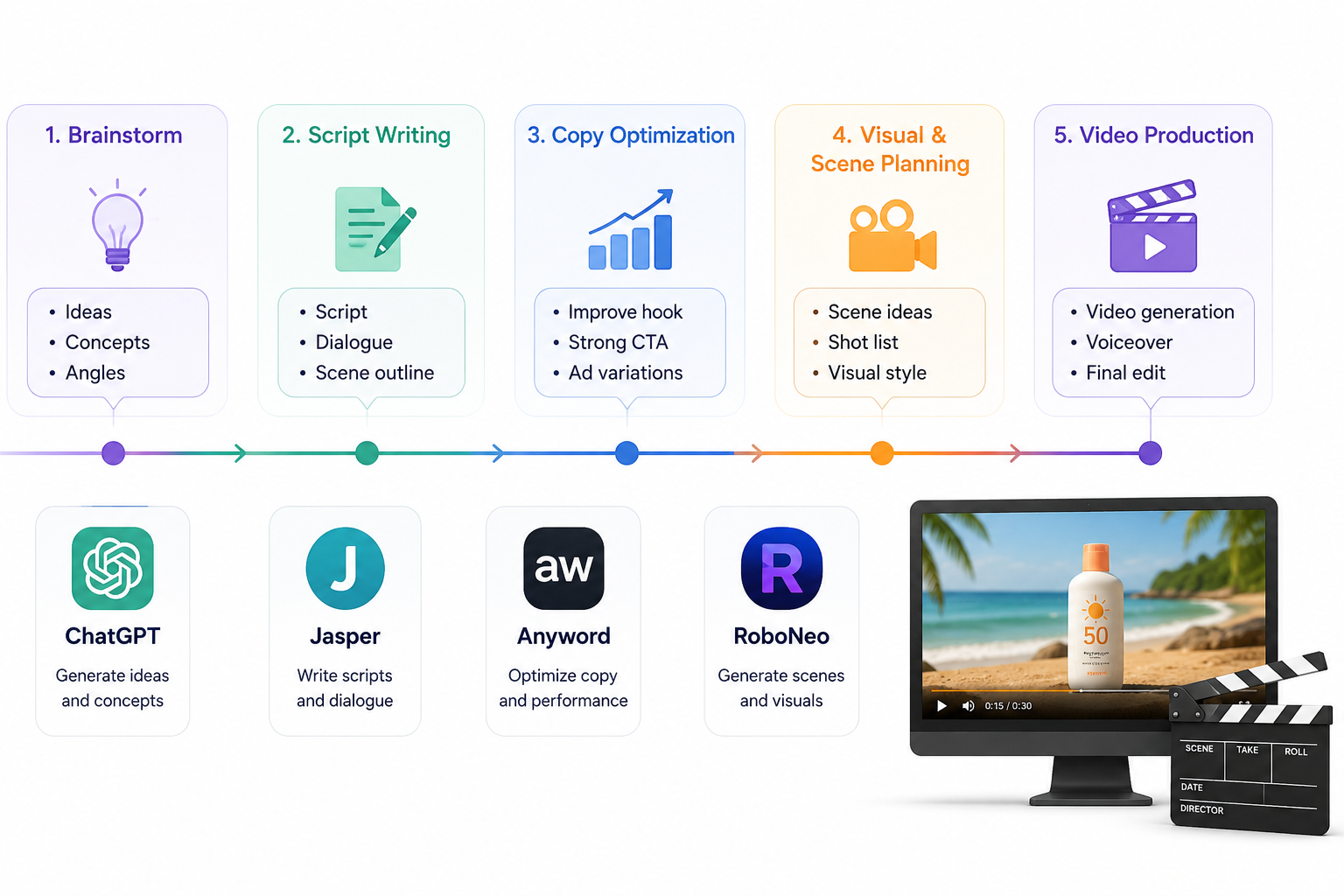
Different AI tools support different parts of the creative process, from early brainstorming to final production. Knowing what each tool does best can help you build a smoother workflow, save time, and improve the quality of your ad creatives.
ChatGPT for Script Ideas and Structure
ChatGPT is a great starting point for brainstorming. It can help generate basic ideas, outline different story structures, such as problem-solution or testimonial formats, and draft early dialogue. You can give it a simple product description and ask for several commercial concepts, which helps you explore angles you may not have considered.
Jasper for Marketing and Brand Copy
Jasper is built for marketing copy. It is especially useful when you need to match a specific brand voice or tone. Whether your script needs to sound witty, professional, or empathetic, Jasper can help refine the language so it feels aligned with your brand and connects with your target audience.
Copy.ai for Multiple Ad Copy Versions
Copy.ai is helpful when you need to test different messages. From one prompt, it can generate multiple versions of headlines, taglines, and calls to action. This makes it useful for A/B testing ad copy and finding which message performs best based on real data.
Anyword for Performance-Focused Ad Lines
Anyword focuses on performance-driven marketing copy. It uses predictive analytics to estimate how different copy variations may perform. It can score headlines and script lines based on their potential to engage specific audiences, making it useful for teams focused on improving conversion rates and return on ad spend.
Step-by-Step Guide to Write a TV Commercial Script with AI
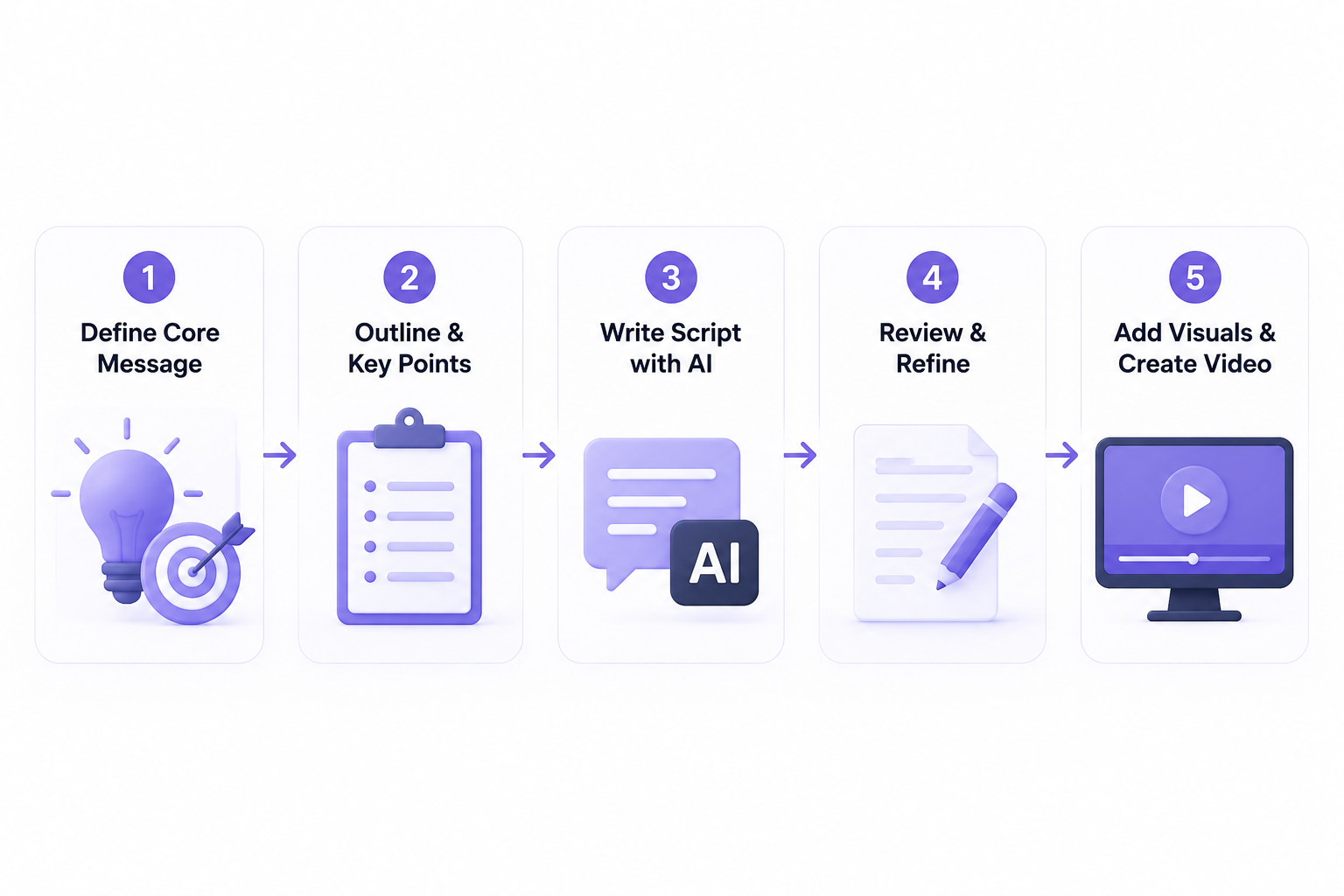
Step 1: Define the Product and Main Selling Point
Before you start writing, you need to know what you are selling and why it matters. Identify the most important benefit your product offers. Is it faster, more affordable, more convenient, or higher quality? This becomes your unique selling proposition, or USP. You can then use the USP to guide your script, whether you write it manually or use an AI advertising generator to draft it.
AI Prompt Example: "Our product is a smart coffee mug that keeps drinks at a perfect temperature for 3 hours. Its main selling point is convenience for busy professionals. Generate three core messages based on this."
Step 2: Tell AI Your Target Audience and Brand Tone
A script for teenagers should sound very different from one aimed at retirees. Define your target audience, including their age, interests, and pain points, as well as your brand tone, such as humorous, serious, inspiring, or quirky.
AI Prompt Example: "Write a commercial concept for the smart coffee mug. The target audience is tech-savvy remote workers aged 25-40. The brand tone is modern, friendly, and slightly humorous."
Step 3: Ask AI to Generate Different Ad Angles
Explore different ways to present your message. Common angles include focusing on a problem the product solves, showing a before-and-after transformation, using a customer testimonial, or creating a funny, unexpected scenario. A clear angle also gives an AI video generator a stronger direction for scenes, pacing, and visual flow later in the process.
AI Prompt Example: "Generate three different commercial angles for the smart mug targeting remote workers: one based on solving the 'cold coffee' problem, one showing a 'day in the life' transformation, and one with a funny twist."
Step 4: Choose One Clear Message for the Commercial
After reviewing the AI-generated angles, choose the one that feels most compelling and best matches your campaign goals. A commercial that tries to say everything usually ends up saying very little. Stick to one main idea so viewers can understand the message quickly.
Step 5: Create a 15, 30, or 60 Second Script
Commercials have strict time limits, so tell the ai exactly how long the script should be. This is also where the question of how long does it take to write a script matters, because a 15 second spot, a 30 second spot, and a 60 second spot all require different levels of planning, trimming, and revision. A standard script format uses two columns: one for visuals, or what the viewer sees, and one for audio, including dialogue, voiceover, and sound effects.
AI Prompt Example: "Write a 30-second TV commercial script based on the 'cold coffee problem' angle. Format it with two columns: 'Visual' and 'Audio'."
Step 6: Add Visual Scenes, Voiceover, and CTA
Refine the AI-generated script by adding more specific details. Describe the scenes, characters, and actions in the "Visual" column. Add the voiceover or dialogue in the "Audio" column. Most importantly, end with a clear call to action, or CTA, that tells viewers what to do next, such as "Visit our website" or "Download the app."
Step 7: Turn the Script into Video Scenes with AI
Once the script is locked, the next job is making sure visuals, voiceover, and message line up from the first scene—not guessing shot by shot in the edit. Some teams paste the script plus short scene notes into a tool like RoboNeo and generate drafts from there: matched scenes, synced VO, and a rough ad you can review before reshoots or a full production run.
Best AI Prompt Tips for TV Commercial Scripts
Getting a strong script from AI depends heavily on the quality of your prompt. Use this checklist to give the AI the right context and get more useful, relevant results faster.
Give the AI a Clear Product Benefit: Do not just name the product. Explain what it does for the customer. Instead of "a new running shoe," try "a running shoe with extra cushioning that helps reduce knee strain for long-distance runners."
Include Audience, Tone, and Commercial Length: Always include these three details in your prompt. They help the AI choose the right language, pacing, and structure.
Ask for a Hook, Problem, Solution, and CTA: Giving the AI a clear structure helps it create a stronger narrative. The "Hook-Problem-Solution-CTA" formula is a classic ad framework that works well for short commercials.
Request Visual Scenes and Voiceover Separately: Ask the AI to format the output as a two-column script. This makes the script easier to read and more useful for production planning.
Generate Several Versions Before Choosing One: Do not settle for the first output. Ask the AI to generate three to five versions of the script. This gives you more creative options and lets you combine the strongest parts of each version.
Edit the AI Script Before Production: AI is a powerful assistant, but it should not replace your judgment. Always review and edit the script to add a human touch, make sure it fits your brand, and fix any awkward phrasing.
FAQ
How do I write a script for a TV commercial?
Start by defining the product, target audience, and main selling point. Then choose one clear message for the commercial. A simple TV commercial script usually includes a hook, the problem, the product solution, key visuals, voiceover or dialogue, and a clear call to action. Keep the script focused so it fits the commercial length, whether it is 15, 30, or 60 seconds.
What should I include in an AI prompt for a commercial script?
A good AI prompt should include the product, main benefit, target audience, brand tone, commercial length, and desired structure. You can also ask the AI to separate the script into visual scenes and audio. For better results, include details such as the platform, campaign goal, and call to action.
Can I turn an AI-written commercial script into a video?
Yes, but only after a human review. Tag each line with scene direction and VO, generate a draft, then check pacing, product claims, and brand tone. AI video is a fast first pass, not a final master.
You May Be Interested
Best Prompt for YouTube Script in 2026
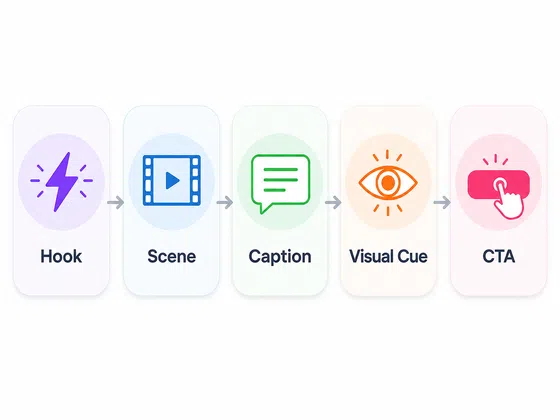
Best TikTok Script Generator in 2026
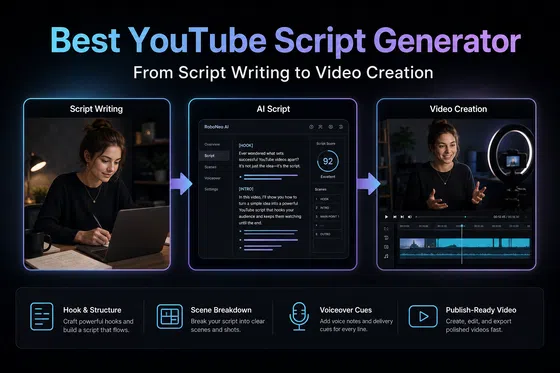
Best YouTube Script Generator: From Script Writing to Video Creation

Best Free AI Story Generators in 2026: Tested and Ranked